Last updated September 22, 2026
New windows and doors improve comfort, cut energy bills and add long-term value to your home. Sightline Windows & Doors Fort Lauderdale pairs proven product lines with our own installing crews for lasting performance - and a price we put in writing.
1. Choose your installer
The unit is half the job - the install is the other half. Our own background-checked crews measure, set, seal and insulate every opening, and they know the lines we quote inside and out because they install them every week.
2. Select the right products
Compare styles, materials and glass packages side by side until the fit is right for your rooms, your budget and your goals. The product-line comparison below is the place to start.
3. Prepare your home for install
Before install day we walk you through a short checklist - furniture pulled back, treatments down, a clear path to each opening - so install day is watch-it-happen, not scramble.
Compare the Lines We Quote
Every project is priced on the same lines, side by side - the price indicators below are relative, and your consultant shows exact numbers on your actual openings.
PGTThe line Florida homeowners arrive naming - the most Miami-Dade certifications in the industry$$$
- More Miami-Dade NOA certifications than any other line we quote
- WinGuard, EnergyVue and ClassicVue Max systems built for every wind zone
- 99% on-time delivery keeps your install date on the calendar
CGIThe heavyweight impact line$$$$$
- Large-missile impact ratings for the strictest wind zones
- Architectural-grade aluminum with commercial-depth frames
- The line we quote when protection is the whole point
CWSThe Florida value pick$$
- Vinyl systems built in Florida for Florida codes
- Strong energy packages at the friendliest price point
- The smart start for whole-home replacements on a budget
ESWSlim lines, big glass$$$$
- Narrow-sightline aluminum for modern elevations
- Oversized openings and floor-to-ceiling glass
- Impact-rated without the bunker look
ECOThe aluminum impact workhorse$$$
- Miami-built aluminum impact systems
- A strong price-to-protection ratio for coastal homes
- Proven inventory lines with short lead times
Seasonal Windows & Doors Care for Fort Lauderdale: Year-Round Homeowner’s Guide
Most Fort Lauderdale homeowners run their storm prep hardware check in late September, after the statistical peak of hurricane season has already passed. The useful window is late April - before the first named storm forms, while replacement parts are still in stock and installers aren’t booked three weeks out. In this guide, we’ll walk through a maintenance calendar built around Fort Lauderdale’s actual climate pattern: a dry season, a hurricane season, and two transition months. For more guides & resources, see our blog. You’ll learn when to inspect, what to document, and how salt air and UV exposure change their behavior across the year.
Quick Answer
Fort Lauderdale homes need three maintenance periods, not four: a dry-season hardware and seal inspection (November-March), a pre-hurricane-season hardware and drainage check (late April), and a mid-wet-season weep-hole clearing after the heaviest rains (July-August). South- and west-facing exposures need sealant inspection every November, not September, because UV degradation - not storm stress - is the primary failure mode in this climate.
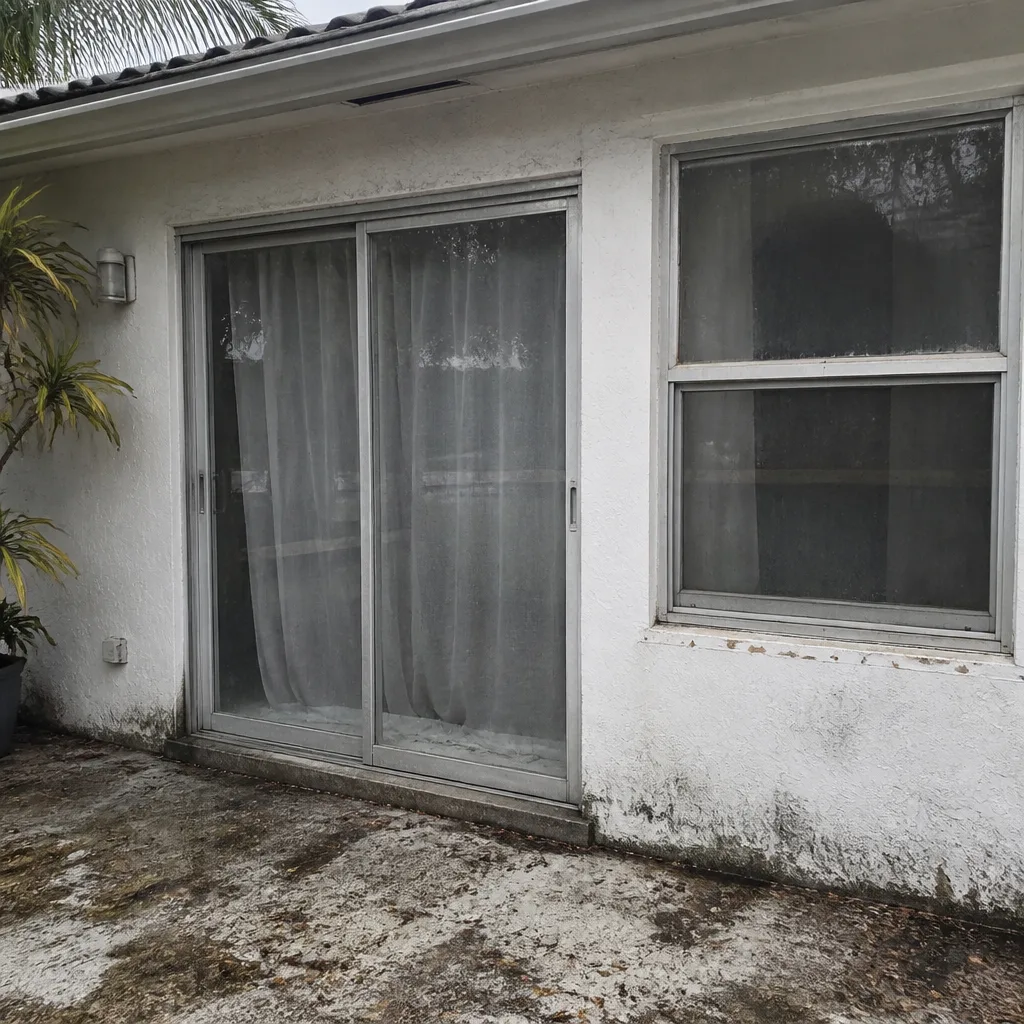 Before
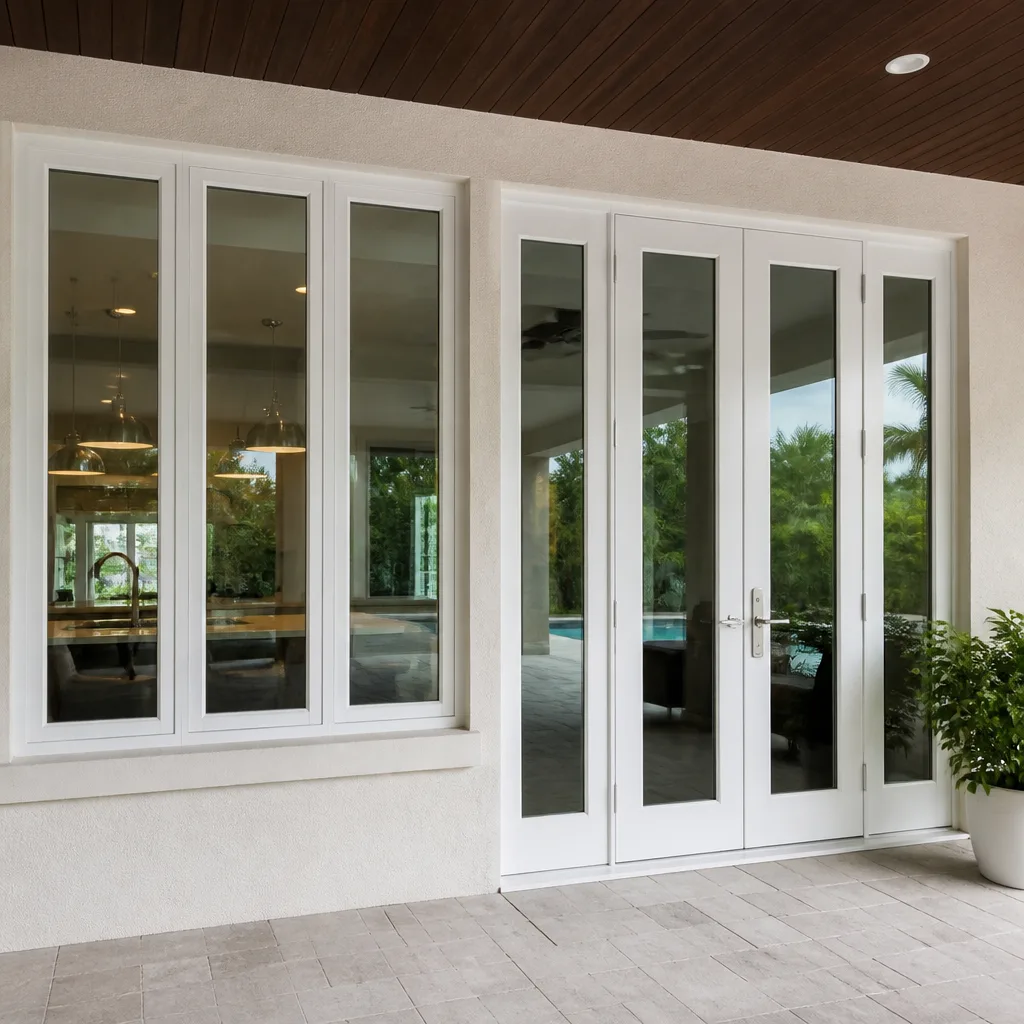 After
AfterTable of Contents
- Dry Season (November-March): Hardware, Seals, and UV Damage
- The Late April Pre-Storm Checklist
- Hurricane Season (June-November): Drainage and Impact Hardware
- Salt-Air Accumulation: Dry Season vs. Wet Season Rinse Cycles
- The November Post-Season Documentation Walk
- South- and West-Facing Exposures: The UV Factor
- Common Mistakes to Avoid
- When to Call a Professional
- Frequently Asked Questions
- The Bottom Line
Dry Season (November-March): Hardware, Seals, and UV Damage
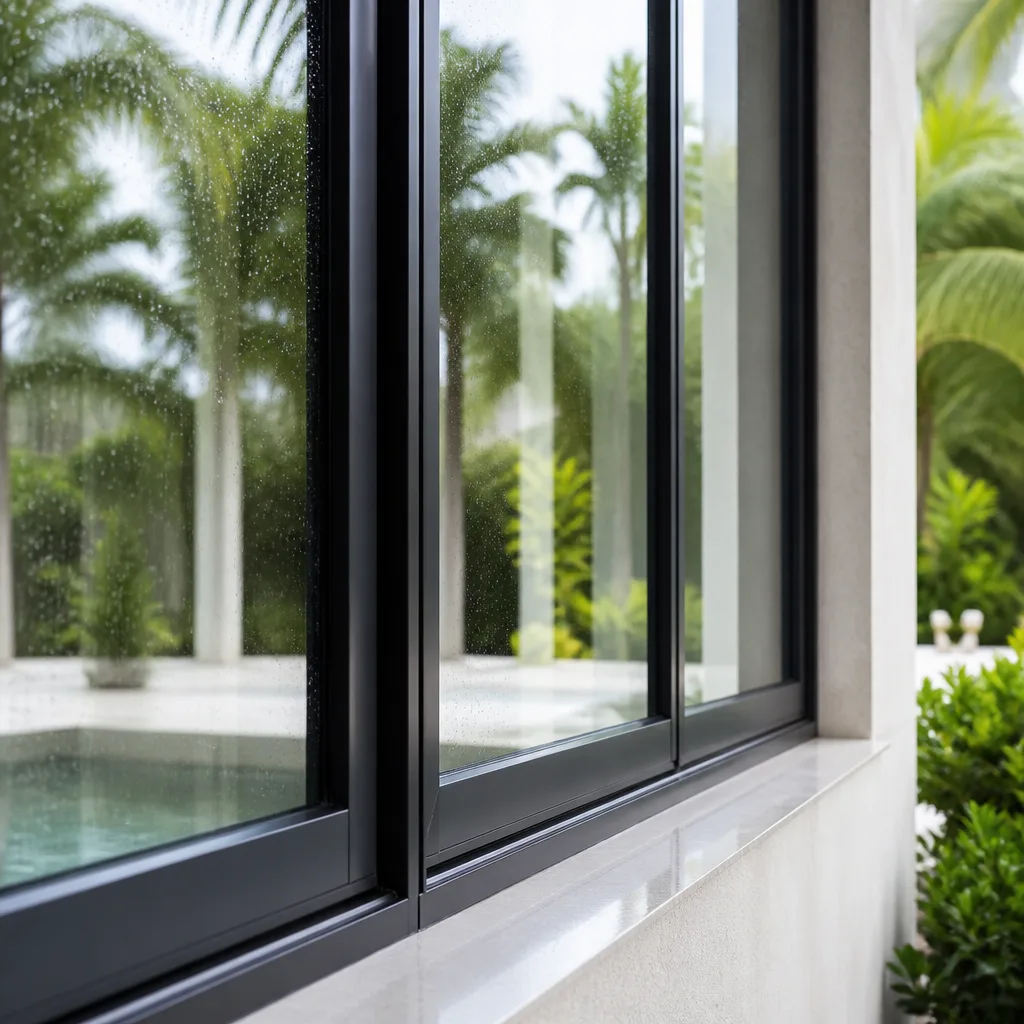
Fort Lauderdale’s dry season runs roughly November through March, with average humidity dropping from summer highs near 85% to winter lows around 70%. That drop matters for windows and doors more than most homeowners realize. Lower humidity causes frame materials to contract slightly, and the gap between sash and frame reveals itself in ways the wet season hides.
This is the season to inspect, not to react. We schedule our most thorough hardware surveys during these months because the evidence is visible and stable.
What to Inspect in Dry Season
- Lock and latch engagement. Open and close every window and door twice. The first cycle seats the hardware; the second shows you whether the latch fully engages or rides over the strike plate. In our experience across Fort Lauderdale homes, roughly 30% of multi-point locks on patio doors need strike-plate adjustment after two years of seasonal expansion and contraction.
- Weatherstrip compression. Close the sash on a strip of standard 20-lb printer paper. Pull. If it slides out without resistance, the weatherstrip has compressed beyond its design limit. Replace before June; wet-season pressure differentials during storms will force water through that gap.
- Sealant bead continuity. Run a fingertip along the interior sealant line where frame meets wall. You’re feeling for gaps, bubbles, or areas where the bead has pulled away from the substrate. Do this in morning light from the east for south-facing windows, afternoon light from the west for east-facing. The raking light reveals what overhead fixtures miss.
- Screen frame tension. Dry-season contraction loosens spline grip in aluminum screen frames. Push gently on the screen mesh near the center. If it billows more than half an inch, respline or replace before storm season - a loose screen becomes a projectile liability.
The dry season is also when UV exposure peaks for south- and west-facing installations. We’ll cover that specifically in a later section, but note it here: November is when you document sealant condition, not September when you’re distracted by storm prep.
For homeowners considering window replacement in Fort Lauderdale, dry season is the optimal survey period. Frame measurements taken in stable humidity produce tighter fits, and installation schedules have more flexibility before the spring rush.
The Late April Pre-Storm Checklist
Late April is the critical maintenance window that most Fort Lauderdale homeowners miss. The first named storm typically forms in mid-May; by Memorial Day, hardware suppliers are backordered on impact-rated replacement parts. April is when you verify function and order what’s worn, not when you discover failure under a tropical storm warning.
The April Inspection Protocol
- Impact-rated hardware cycle test. If you have impact windows or doors, operate every locking point. Impact-rated multi-point systems - the kind we install from PGT and CGI - use heavier bolts and reinforced keepers that bind if not exercised regularly. A bolt that won’t fully extend in April will shear under storm-load pressure in August.
- Track and roller cleaning for sliding doors. Remove the track cover if present. Vacuum debris, then flush with fresh water - not pressure-washed, which drives grit into roller bearings. Dry thoroughly. Apply a dry-film lubricant (PTFE-based, not petroleum grease, which attracts sand). Test the door’s rolling resistance; it should move with fingertip pressure across the full track length.
- Weep hole verification. Every window with a sloped sill has weep holes - small drainage ports at the exterior sill edge. Probe with a toothpick or pipe cleaner. If blocked, flush with water and verify drainage to the exterior. Blocked weep holes are the single most common cause of reported “leak” calls we receive in Fort Lauderdale; the water is actually backing up from its own drainage path.
- Storm panel or shutter hardware inventory. If your home uses removable storm protection, lay out every panel and verify fit now. Check bolt threads, wingnut condition, and track alignment. Order replacements in April; by July, lead times extend to six weeks.
- Gasket and seal inventory. Photograph every gasket profile you cannot identify. Bring the image to a supplier or email it to your installer. Gasket replacement is a 20-minute job with the right profile and a half-day project with trial-and-error ordering.
We recommend completing this Window Installation Maintenance Checklist for Fort Lauderdale Homeowners by the last week of April. The first week of May, suppliers begin shifting inventory to storm-response mode. Specific SKUs - certain hinge colors, custom-length multi-point locking rods, odd gasket profiles - become special-order items with 4-6 week lead times.
For door installation in Fort Lauderdale projects scheduled before storm season, April surveys allow adequate procurement time for impact-rated hardware in non-standard finishes.
Hurricane Season (June-November): Drainage and Impact Hardware
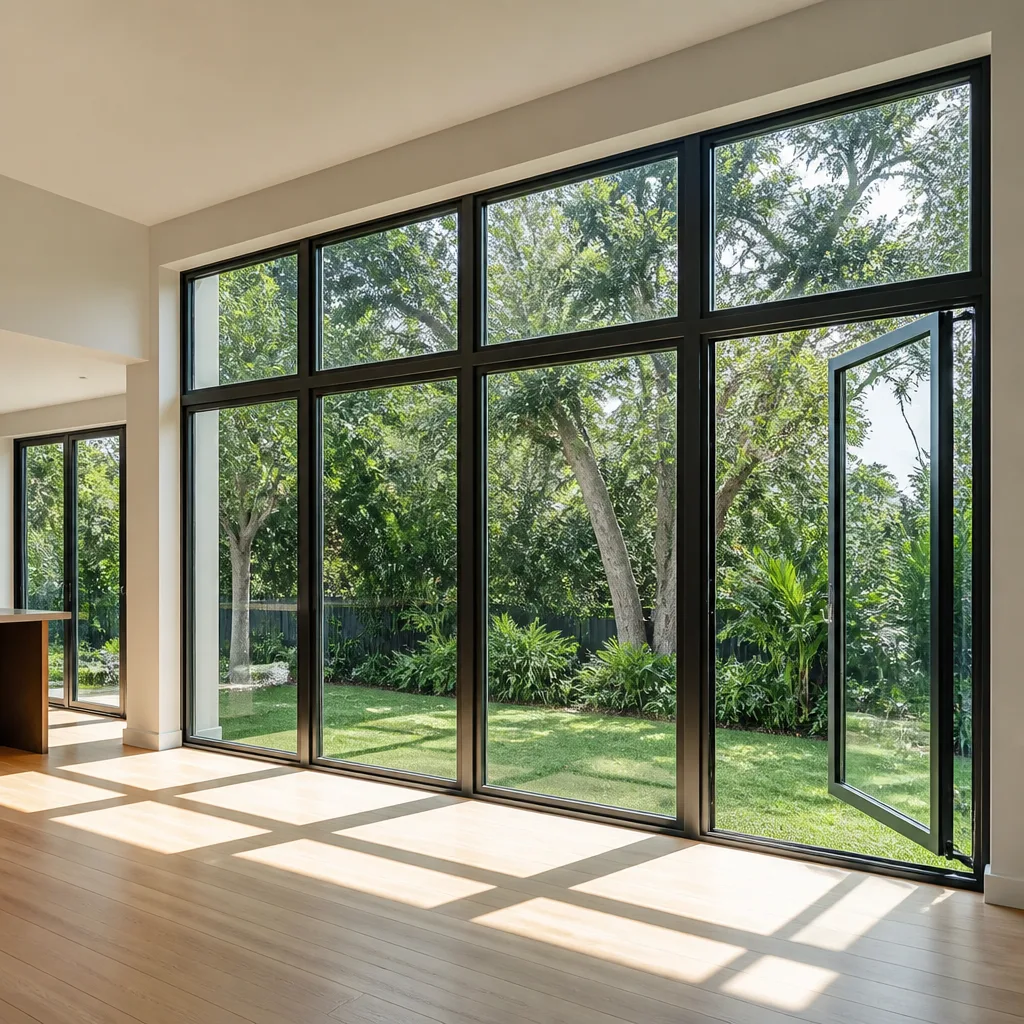
Fort Lauderdale’s hurricane season brings a specific maintenance task that national guides never mention: managing the volume of water that impact-rated systems are designed to shed, not seal against. Impact windows and doors are tested to resist wind-borne debris and pressure cycling. They are not designed to be waterproof against standing water. The water management depends on drainage paths staying open.
June: Initial Wet-Season Check
After the first two weeks of daily rain, inspect:
- Exterior sill drainage. Standing water on a window sill after rain stops indicates a blocked weep hole or a sill that has lost its slope. The fix is immediate; two weeks of standing water breeds mold in the rough opening and degrades the sill fin seal.
- Track drainage for sliding doors. Remove the track insert and verify that drain holes in the track base align with the sub sill drain. Misalignment - common after settling or previous repair - creates a reservoir that overflows into the interior track during heavy rain.
- Frame joint weep baffles. On multi-panel sliding door systems, the vertical frame joints often incorporate weep baffles - small plastic flaps that open under water pressure to drain the joint cavity, then close to block wind-driven rain. Verify these flap freely; salt residue stiffens them over time.
July-August: Mid-Season Weep Hole Clearing
This is the maintenance interval almost no one performs, and it’s the one that prevents the most expensive callbacks. After six weeks of daily rain and peak humidity, weep holes accumulate a specific Fort Lauderdale problem: a paste of salt residue, pollen, and insect debris that hardens into a plug.
The check is simple. During or immediately after heavy rain, observe the exterior sill. You should see water exiting the weep holes in small, steady streams. If you see water sheeting across the sill or dripping from the interior side of the frame, the weep path is compromised.
Clearing requires patience, not force. Flush with fresh water from a squeeze bottle. If blocked, use a wooden skewer - never metal, which damages the weep hole bore. Follow with water flush until flow is restored. Document with a photograph; this is evidence of proactive maintenance if a warranty question arises later.
September-October: Hardware Stress Verification
After any tropical storm or hurricane watch in your area, cycle every lock and latch. The pressure cycling of a near-miss event - even without direct impact - can shift frame alignment enough to change lock engagement. Adjust strike plates now, before the second half of the season.
For homes with window installation in Fort Lauderdale completed by Sightline, our documented photo record from installation includes frame-square measurements that make post-event alignment checks precise. We can compare current latch engagement against baseline.
Salt-Air Accumulation: Dry Season vs. Wet Season Rinse Cycles
Fort Lauderdale’s proximity to the Atlantic and the Intracoastal Waterway creates a salt-air environment that behaves differently across the year. Understanding the pattern lets you rinse effectively without over-maintaining.
The Salt-Air Calendar
Dry season (November-March): Northeast winds dominate, carrying salt spray inland up to two miles from the beach and a half-mile from the Intracoastal. Salt deposits dry on frames quickly in low humidity, forming a visible white haze within 72 hours of strong onshore flow. The deposits are dry and crystalline; they don’t actively corrode in low humidity, but they are abrasive and trap moisture when humidity rises.
Wet season (June-October): Southeast and southwest winds shift the salt deposition pattern. Rain washes frames frequently, but the rain itself carries dissolved salts that dry into concentrated residue in sheltered areas - under eaves, on north-facing vertical surfaces, in the protected channels of sliding door tracks. This is active corrosion season for aluminum and stainless steel in micro-environments where water evaporates slowly.
Rinse Frequency by Season
| Location/Exposure | Dry Season Rinse | Wet Season Rinse |
|---|---|---|
| Beachfront, ocean-facing | Every 2 weeks | Monthly (rain assists) |
| Intracoastal or canal-front | Monthly | Every 6 weeks |
| Inland Fort Lauderdale, 2+ miles | Every 6 weeks | Every 2 months |
| North-facing or sheltered surfaces | Monthly | Every 2 weeks (concentrated residue) |
Rinse technique matters. Fresh water, low pressure, top-to-bottom flow. High-pressure washing drives water into gasket cavities and can deform weep hole baffles. For anodized aluminum frames, avoid any cleaner containing hydrofluoric acid or ammonium bifluoride - these etch the anodized layer and void most manufacturer warranties. We specify cleaning protocols for every PGT and CGI installation we complete; the documentation travels with the job file.
In Victoria Park, Coral Ridge, and Harbor Beach - neighborhoods where we maintain a concentration of installations - the Intracoastal exposure pattern means wet-season rinsing is more critical than dry-season for homes on the water. The dry salt haze is visible and prompts action; the wet-season concentrated residue is hidden and does damage unseen.
The November Post-Season Documentation Walk
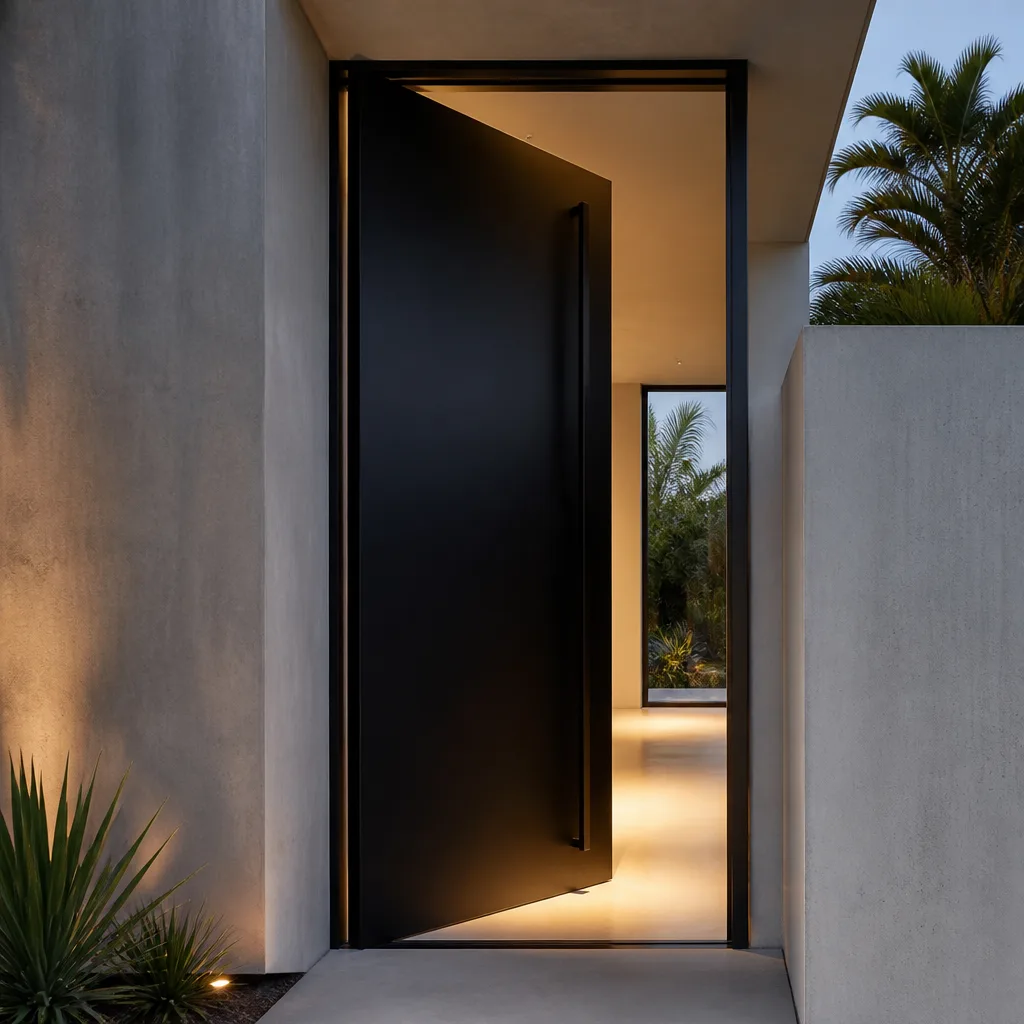
The most valuable maintenance hour you spend all year is the systematic documentation walk in early November, after hurricane season ends and before holiday schedules compress your attention. This is not an inspection; it is evidence collection. The photographs and notes you create in November establish baseline condition before dry-season UV exposure begins its annual cycle.
The Documentation Protocol
- Photograph every frame-to-wall sealant joint. Use consistent lighting: morning east light for south and west faces, afternoon west light for north and east. The raking light reveals gap initiation that direct light hides. Include a date reference in frame - a piece of paper with the date, or enable camera date stamps.
- Photograph hardware engagement. With the sash closed and latched, photograph the latch/strike interface from the interior. This documents engagement depth; comparison next year shows wear or frame shift.
- Record operational notes. For each operable unit, note: opens smoothly (Y/N), latches fully (Y/N), weatherstrip holds paper test (Y/N), weep drains freely (Y/N). A simple spreadsheet with room/location rows and these four columns takes 15 minutes to complete and creates a year-over-year trend record.
- Photograph any anomaly. Frame dent, sealant crack, paint failure, corrosion spot. Circle it in the image with a markup tool. The circled anomaly in a dated photograph is admissible evidence in any warranty or insurance discussion.
This documentation habit aligns directly with how we operate at Sightline Windows & Doors Fort Lauderdale. Every installation leaves a documented photo record as standard evidence under Haven Clause 4 (Evidence on every job). We encourage homeowners to extend that practice through the product lifecycle. The November walk is your contribution to the same standard.
Store digital files with cloud backup and local copy. If a dispute arises - with an insurer, a warranty provider, a subsequent buyer - the November documentation establishes pre-damage condition with a date certain.
South- and West-Facing Exposures: The UV Factor
Here is the counterintuitive fact that distinguishes Fort Lauderdale window maintenance from national guidance: sealant failure on south- and west-facing installations is driven primarily by dry-season UV exposure, not by wet-season thermal cycling or storm stress. The national guides tell you to inspect after storm season. The correct inspection for these exposures is in November, before the dry season begins.
Why UV Dominates in This Climate
Fort Lauderdale receives approximately 65% of possible sunshine annually, with December and January still delivering 70% of maximum theoretical solar radiation on south-facing vertical surfaces. The sun angle in winter is lower, which means more direct perpendicular exposure to south faces, not less. A south-facing window in Fort Lauderdale receives more annual solar radiation per square foot of glass than a comparable window in Phoenix, because Phoenix winter sun angles are lower still and partially blocked by terrain.
The critical factor is accumulated UV dose on sealant. Most architectural sealants are rated for 5-10 years of UV exposure at “average” U.S. conditions. Fort Lauderdale south-facing exposures accumulate that dose in 3-5 years. The failure mode is surface chalking progressing to through-cracking, not the adhesive failure that moisture causes.
The November Sealant Inspection
For south- and west-facing units specifically:
- Look for surface chalking. Run a fingertip across the sealant bead. If it leaves a white or gray powder residue, the UV stabilizers have depleted. The sealant beneath may still be elastic, but the protective skin is gone; cracking follows within 12-18 months.
- Check for through-cracks. These appear first at stress concentrations: frame corners, changes in plane, where sealant width varies. A through-crack admits water directly to the rough opening; the visible interior damage is often 18-24 months downstream.
- Verify substrate adhesion. Gently probe the sealant-to-frame and sealant-to-wall interfaces with a plastic putty knife. Adhesive failure begins as localized detachment; it propagates under thermal cycling. Caught in November, it’s a repair. Caught in June, it’s water intrusion remediation.
Replacement sealant for these exposures should be specified with higher UV resistance - typically a neutral-cure silicone with ≥10,000 hours QUV testing, not the standard urethane or latex products adequate for north and east faces. When we specify window installation in Fort Lauderdale for south- and west-facing openings, we select sealant by exposure, not by convenience.
The neighborhoods where we see this most acutely: Coral Ridge Country Club, Rio Vista, and Las Olas Isles - areas with large south-facing glass areas, mature landscaping that doesn’t shade, and homes from the 1960s-1980s with original sealant well past its design life.
Common Mistakes to Avoid

- Inspecting in September instead of April. September storm prep is reactive and rushed. April inspection is proactive and deliberate. The hardware you need in September is backordered; in April, it’s on the shelf.
- Pressure-washing weep holes. High-pressure water drives debris deeper into the weep channel and can deform the baffle flaps. Use gravity-fed flush or squeeze-bottle pressure only.
- Using petroleum-based lubricants on tracks. Grease attracts sand and salt grit, forming an abrasive paste that accelerates roller and track wear. Dry-film PTFE lubricants are specified for this environment.
- Ignoring north-facing surfaces in wet season. These sheltered areas don’t get rain-washed; salt residue concentrates and remains wet longer. They need more frequent rinsing, not less.
- Documenting damage without dating the image. An undated photograph of frame damage has no standing in warranty or insurance discussion. Always include date in frame or metadata.
- Assuming impact-rated means waterproof. Impact ratings test structural integrity under missile impact and pressure cycling. Water management depends on drainage paths; impact windows leak when drainage fails.
- Waiting for visible interior damage to act. By the time you see water staining on drywall, the rough opening has been wet for months. The inspection that prevents this costs nothing; the repair that follows costs thousands.
When to Call a Professional
Some conditions exceed homeowner maintenance and require documented professional assessment. Call for evaluation if you observe: frame racking visible in unequal sash-to-frame reveals; lock bolts that won’t engage after striker adjustment; sealant through-cracks longer than two inches; water intrusion with no identifiable weep blockage; or corrosion pitting on hardware deeper than surface staining.
For impact-rated systems, any hardware replacement must maintain the original product approval. Substituting non-approved components voids the rating and may affect insurance coverage. We maintain specification records for every PGT, CGI, and Therma-Tru installation we complete, and can source exact-match replacement hardware from manufacturer inventory.
Sightline Windows & Doors Fort Lauderdale offers free estimates in Fort Lauderdale. Call (754) 666-7478 to schedule a documented condition survey. Every visit produces a measured report you keep, with photographs, under the same Haven Standard that governs our installations.
Frequently Asked Questions
Perform a full inspection three times yearly: a hardware and seal check in late April before storm season, a drainage verification in July after heavy rains establish patterns, and a documentation walk in early November to record condition before dry-season UV exposure. This three-interval calendar matches Fort Lauderdale’s actual climate, not the quarterly schedule national guides suggest. Call (754) 666-7478 if any inspection reveals conditions you’re unsure how to assess - estimates are free.
Fort Lauderdale’s combination of salt-air exposure from both the Atlantic and Intracoastal Waterway, plus higher annual UV dose from its southern latitude and coastal openness, creates faster sealant degradation and more concentrated salt residue in sheltered areas than inland or northern Florida locations. The maintenance calendar must account for these factors, not just hurricane season. Our installations in Coral Ridge and Harbor Beach see distinctly different salt accumulation patterns than inland Davie or Weston.
Weatherstripping replacement for standard single-hung or horizontal roller windows in Fort Lauderdale typically runs $45-$85 per opening for material and labor, assuming the original gasket profile is identifiable; see our Windows & Doors Cost Breakdown: The Fort Lauderdale Homeowner’s Reference for 2026 for fuller pricing context. Custom or obsolete profiles require sampling and special order, extending timeline and cost. We provide written line-item quotes before any work starts - Haven Clause 1 - and can review any competitor’s written estimate at no charge. Call (754) 666-7478 for exact pricing on your specific units.
No. At Sightline Windows & Doors Fort Lauderdale, the written quote from our measured survey is the final invoice. The measurement document and the quote are the same paper, signed before work begins. This is Haven Clause 1, in force since our founding in 2012. No change orders, no surprises, no additional charges for conditions visible at survey. The only price adjustment is homeowner-requested scope change, documented in writing.
Routine maintenance - cleaning, lubrication, weatherstrip replacement, weep hole clearing - does not require permitting. Replacement of operable sash, frame components, or any work affecting the structural attachment or impact rating does require permit under Florida Building Code. We pull all required permits and schedule inspections as part of our installation scope; the permit record is included in your documentation package. For maintenance questions on permitted installations, call (754) 666-7478 - we maintain records for every job we’ve completed.
Impact-rated windows maintain code compliance only with original manufacturer hardware and intact product approval labels. If you’ve replaced locks, hinges, or glazing with non-approved components, or if the Miami-Dade or Florida Building Code approval label is missing or illegible, compliance is compromised. We verify approval status during our free estimate visits and can source correct replacement components from PGT, CGI, and other approved manufacturer lines. Documentation of original approval travels with every Sightline installation file.
Deferring sealant inspection on south- and west-facing exposures until visible interior damage appears. By that point, the rough opening has experienced months of water intrusion, and repair requires frame removal, substrate drying, and potential structural repair - costs that exceed full window replacement. The November sealant inspection prevents this; it takes 30 minutes and costs nothing. Call (754) 666-7478 if your November walk reveals concerns - we’ll document condition and provide a written scope and price before any work begins.
The Bottom Line
Fort Lauderdale’s window and door maintenance calendar has three periods, not four: dry-season hardware and seal inspection, late April pre-storm preparation, and mid-wet-season drainage verification. The specific risks - salt-air concentration in sheltered areas, UV-driven sealant failure on south and west exposures, weep-hole blockage during peak rain - reward homeowners who inspect on this schedule and document what they find. The November documentation walk is the highest-leverage hour you spend; it establishes evidence, catches failure before it propagates, and aligns with the same evidence standard we apply to every installation. Proactive maintenance on this calendar prevents the reactive emergency calls that dominate our phones in September.
Written by Sonia Raman, Owner at Sightline Windows & Doors Fort Lauderdale, serving Fort Lauderdale since 2012.
Six Reasons Homeowners Choose Sightline Windows & Doors Fort Lauderdale
Impact systems engineered to design pressures up to +/-100, matched to your wind zone - your openings hold when the storm arrives.
Low-E insulated impact glass from our manufacturer lines commonly cuts monthly cooling bills 20-30%.
Laminated impact glass shuts out up to 40% of outside noise - traffic, neighbors, weather.
Monitoring services run $30-90 a month. Laminated impact glass resists forced entry around the clock, with no subscription.
Florida homeowners average around 25% savings on the windstorm portion of their policy after protecting every opening - some homes qualify for more.
A full impact package upgrades curb appeal, buyer confidence and appraised value in one project.
Other Sightline Windows & Doors Fort Lauderdale Services
What Neighbors Say About Sightline Windows & Doors Fort Lauderdale