Last updated September 22, 2026
New windows and doors improve comfort, cut energy bills and add long-term value to your home. Sightline Windows & Doors Fort Lauderdale pairs proven product lines with our own installing crews for lasting performance - and a price we put in writing.
1. Choose your installer
The unit is half the job - the install is the other half. Our own background-checked crews measure, set, seal and insulate every opening, and they know the lines we quote inside and out because they install them every week.
2. Select the right products
Compare styles, materials and glass packages side by side until the fit is right for your rooms, your budget and your goals. The product-line comparison below is the place to start.
3. Prepare your home for install
Before install day we walk you through a short checklist - furniture pulled back, treatments down, a clear path to each opening - so install day is watch-it-happen, not scramble.
Compare the Lines We Quote
Every project is priced on the same lines, side by side - the price indicators below are relative, and your consultant shows exact numbers on your actual openings.
PGTThe line Florida homeowners arrive naming - the most Miami-Dade certifications in the industry$$$
- More Miami-Dade NOA certifications than any other line we quote
- WinGuard, EnergyVue and ClassicVue Max systems built for every wind zone
- 99% on-time delivery keeps your install date on the calendar
CGIThe heavyweight impact line$$$$$
- Large-missile impact ratings for the strictest wind zones
- Architectural-grade aluminum with commercial-depth frames
- The line we quote when protection is the whole point
CWSThe Florida value pick$$
- Vinyl systems built in Florida for Florida codes
- Strong energy packages at the friendliest price point
- The smart start for whole-home replacements on a budget
ESWSlim lines, big glass$$$$
- Narrow-sightline aluminum for modern elevations
- Oversized openings and floor-to-ceiling glass
- Impact-rated without the bunker look
ECOThe aluminum impact workhorse$$$
- Miami-built aluminum impact systems
- A strong price-to-protection ratio for coastal homes
- Proven inventory lines with short lead times
Windows & Doors Permits, Codes & Inspections in FL: What You Need to Know
An unpermitted window replacement does not show up on a Broward County property record until the next permit is pulled on the house. At that point, the county can require the new owner to remove and re-install every unpermitted opening at their expense. We’ve seen this stall closings in Fort Lauderdale’s Victoria Park and Coral Ridge neighborhoods, where buyers discover $40,000 in retroactive compliance costs two weeks before settlement. Our Complete Guide to Windows & Doors in Fort Lauderdale explains Florida’s two-track permit system - state product approval and local jurisdiction inspection - so you understand what documentation protects your property value before a tool touches your wall.
Quick Answer
Florida requires permits for all window and door replacements that alter the opening size, change the structural load path, or replace non-impact rated products with impact-rated ones in High Velocity Hurricane Zones. In Fort Lauderdale, located in Broward County’s HVHZ, replacement projects need a Florida Product Approval or Miami-Dade NOA for the product, plus a local building permit with rough and final inspections. Expect permit fees of $175-$485 for typical residential window and door replacements, plus a $125 reinspection fee if the inspector finds deficiencies.
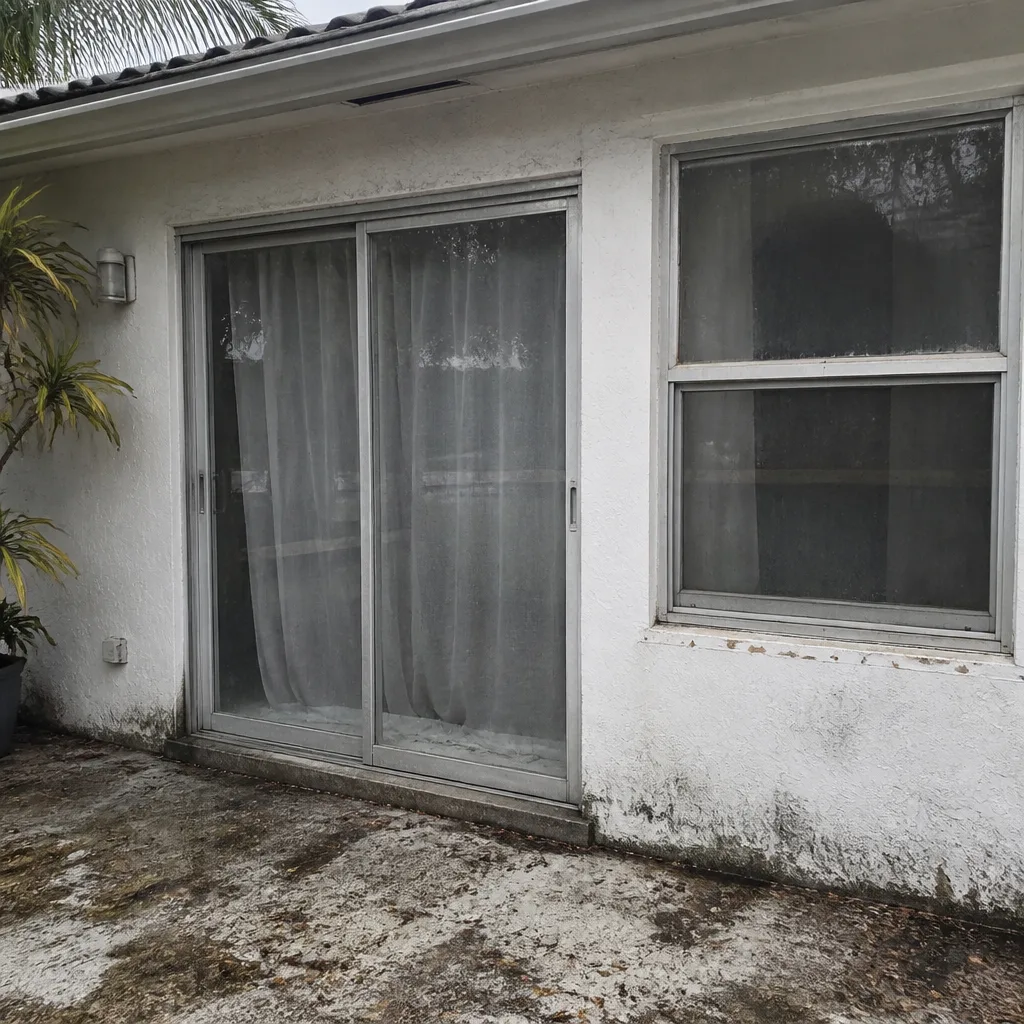 Before
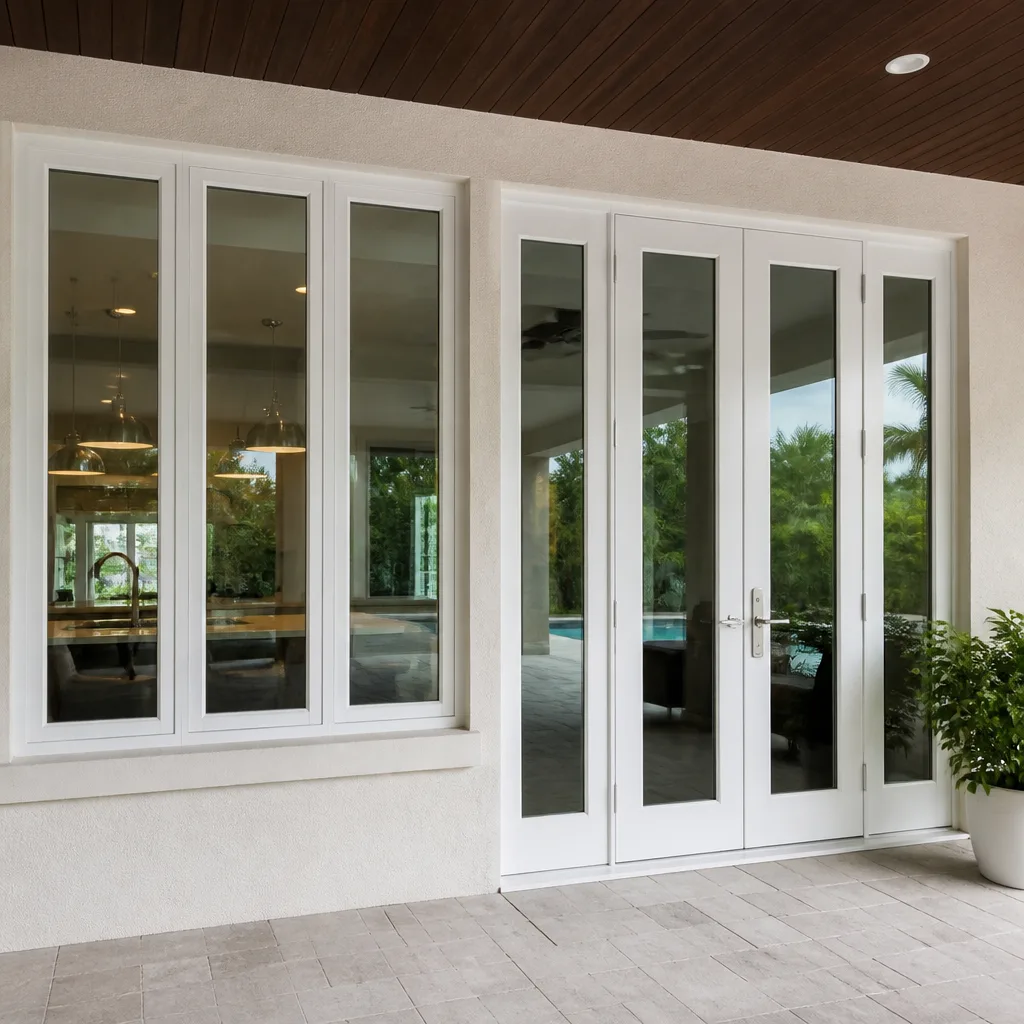 After
AfterTable of Contents
- Florida Product Approval vs. Local Permits: The Two Tracks
- Broward County Permit Fees in 2026: The Full Schedule
- Florida Product Approval vs. Miami-Dade NOA: What Fort Lauderdale Properties Need
- What Happens at Rough and Final Inspections
- How to Search the Broward County Permit Portal Before You Buy
- Three 2023 Florida Building Code Changes Affecting Fort Lauderdale Replacements
- Common Mistakes to Avoid
- When to Call a Professional
- Frequently Asked Questions
- The Bottom Line
Florida Product Approval vs. Local Permits: The Two Tracks
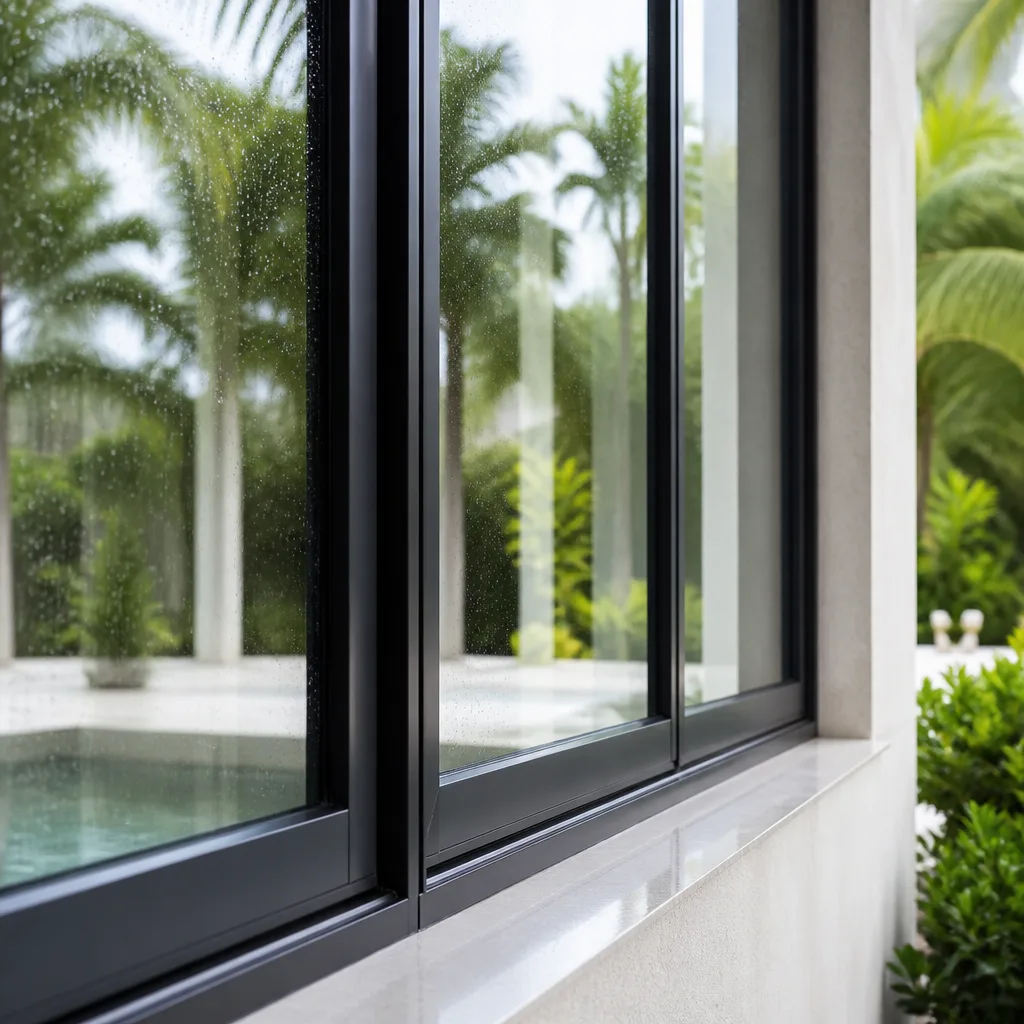
Florida’s window and door regulatory system operates on parallel tracks that confuse even experienced contractors. The first track is state-level product certification. The second is local jurisdiction permitting and inspection. Understanding the separation between them prevents the most expensive mistake we encounter in Fort Lauderdale - installing a state-approved product without pulling the local permit - as covered in our Windows & Doors Warning Signs: A Fort Lauderdale Homeowner’s Reference Guide.
Track One: Florida Product Approval (FL#)
The Florida Building Commission maintains the Florida Product Approval system, which tests windows and doors for structural integrity, water infiltration, and impact resistance. Every product receives a Florida Product Approval number (FL#) that certifies it meets statewide standards. This approval is manufacturer-specific and product-specific - a PGT WinGuard window with an FL# does not mean every PGT product carries the same certification.
For Fort Lauderdale properties in the High Velocity Hurricane Zone, the product must also meet Miami-Dade County’s stricter testing protocols or carry a Miami-Dade Notice of Acceptance. More on that distinction below.
Track Two: Local Building Permit and Inspection
Broward County and the City of Fort Lauderdale require separate building permits for window and door replacements. The permit application includes:
- The Florida Product Approval or Miami-Dade NOA number for each product
- Structural calculations if the opening size changes or the header is modified
- Energy compliance documentation showing U-factor and SHGC ratings meet or exceed code minimums
- Notice of Commencement for jobs exceeding $2,500
The local jurisdiction then schedules rough and final inspections to verify the installed product matches the approved documentation. The state product approval means the window or door can legally be sold in Florida. The local permit and inspection mean it can legally be installed in your specific Fort Lauderdale home.
We’ve reviewed competitor quotes in Fort Lauderdale where the contractor priced “supply and install” without mentioning permit costs. The homeowner assumed permits were included. They were not. The project stalled for six weeks while the owner scrambled for documentation the contractor never obtained. Haven Clause 1 - Have it in writing - exists precisely because this gap between tracks creates ambiguity that inexperienced installers exploit.
Broward County Permit Fees in 2026: The Full Schedule
Permit fees in Broward County follow a published fee schedule that most homeowners never see until they receive the invoice. We list the exact 2026 figures below because Haven Clause 1 requires pricing transparency. These fees apply to unincorporated Broward County; incorporated cities like Fort Lauderdale may add municipal surcharges.
| Permit Component | Fee Range |
|---|---|
| Base building permit (window/door replacement, per opening) | $85 – $145 |
| Plan review fee (minimum) | $65 |
| Impact fee surcharge (residential) | $45 |
| Energy compliance review | $35 |
| Florida Building Code surcharge (4% of permit value) | Variable |
| First reinspection fee | $125 |
| Second and subsequent reinspections | $185 each |
| After-hours inspection request | $250 |
| Permit extension (180 days) | $95 |
For a typical Fort Lauderdale home replacing four windows and one sliding door, the total permit cost runs $285-$485 including plan review and surcharges. The reinspection fee of $125 catches most homeowners off guard. It applies when the inspector identifies deficiencies and requires a return visit - common when installers lack the approved product documentation on-site or when the installed U-factor label has been removed before inspection.
We document every permit fee in our written quotes under Haven Clause 1. The measured survey we provide includes a line item for permit costs, pulled directly from the current Broward County fee schedule. No surprises at closing, no surprises at inspection.
Florida Product Approval vs. Miami-Dade NOA: What Fort Lauderdale Properties Need
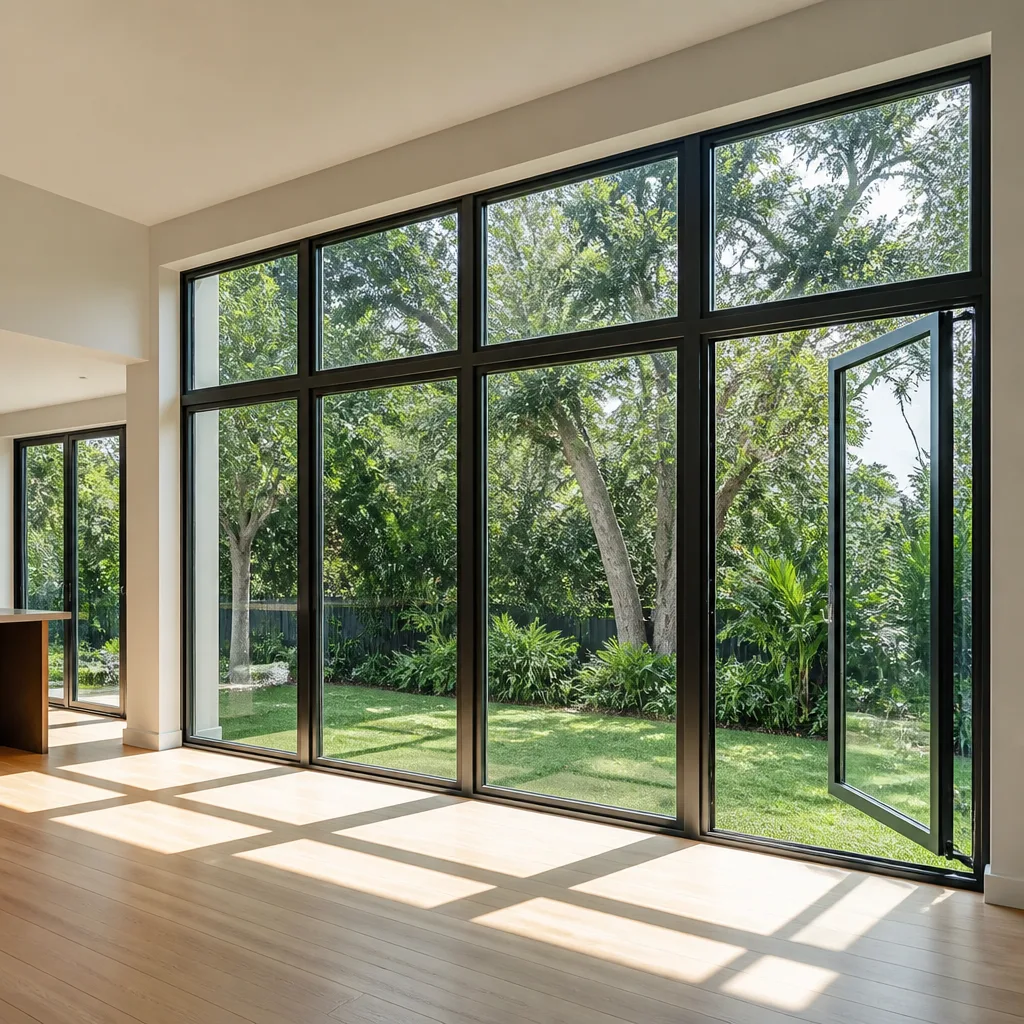
This distinction determines whether your installation passes inspection or gets red-tagged on the first visit. Fort Lauderdale sits in Broward County, which borders Miami-Dade but follows different product approval pathways depending on the specific property location and product application.
Florida Product Approval (FL#)
Valid statewide for products meeting minimum Florida Building Code standards. Required for all window and door installations in Florida. The FL# certifies the product passed testing for:
- Structural wind load resistance (design pressure rating)
- Water infiltration resistance
- Forced entry resistance (for certain applications)
- Impact resistance (if labeled as impact-rated)
Miami-Dade Notice of Acceptance (NOA)
Miami-Dade County maintains its own testing protocol, historically stricter than the statewide standard. A Miami-Dade NOA indicates the product passed testing specific to High Velocity Hurricane Zone conditions with higher wind speed requirements and more stringent missile impact testing.
When Fort Lauderdale Properties Require Miami-Dade NOA
- Properties in unincorporated Broward County within the mapped HVHZ boundary require Miami-Dade NOA for impact-rated products
- Properties with Miami-Dade County building code amendments adopted by local ordinance (check your specific Fort Lauderdale zoning district)
- Coastal properties east of Federal Highway in certain Fort Lauderdale neighborhoods, where local amendments reference Miami-Dade standards
- Products installed as part of a Miami-Dade County building permit, even if the property is physically in Broward
In practice, most Fort Lauderdale properties east of Interstate 95 and all properties in the Las Olas Isles, Coral Ridge, and Harbor Beach areas require Miami-Dade NOA for impact-rated installations. Properties west of I-95 in neighborhoods like Plantation Acres or Davie may use Florida Product Approval alone for non-impact replacements, though impact-rated products still need HVHZ certification.
We specify the approval pathway on every quote. A window installation in Fort Lauderdale using PGT WinGuard products carries the appropriate FL# or NOA documentation before we submit the permit application. The customer receives a copy of the approval certificate with their written quote - evidence, not assurance.
What Happens at Rough and Final Inspections
Broward County and the City of Fort Lauderdale require two inspections for most window and door replacement permits: rough inspection and final inspection. Understanding what each covers prevents the $125 reinspection fee and the schedule delays that cascade from it.
Rough Inspection
The rough inspection occurs after framing modifications are complete but before the window or door is permanently installed. The inspector verifies:
- The opening dimensions match the approved plans - we provide our measured survey as cross-reference
- Header sizing and fastening meet structural requirements for the wind load zone
- Flashing and weather barrier integration follows manufacturer specifications and Florida Building Code R703.8
- Pressure-treated sill plate or equivalent moisture protection is in place for sill-level openings
What fails most often at rough inspection in Fort Lauderdale: inadequate header support when a window is converted to a sliding door, or missing sill pan flashing at grade-level openings. The humid subtropical climate here accelerates moisture intrusion at any gap in the drainage plane. We’ve seen inspectors reject installations where the contractor used generic flashing tape instead of the manufacturer-specified system documented in the product approval.
Final Inspection
The final inspection occurs after installation is complete and all finishes are applied. The inspector verifies:
- The installed product matches the Florida Product Approval or Miami-Dade NOA submitted with the permit - serial numbers, labels, and markings must be visible
- Operable windows and doors function correctly with proper latching and locking
- Weatherstripping and seals are intact and continuous
- Interior and exterior trim allows for expansion and contraction per manufacturer requirements
- Energy compliance labels (U-factor, SHGC) remain visible on the product or are photographed per approved alternative
What fails most often at final inspection: removed energy labels, mismatched products (the FL# on the permit doesn’t match the installed unit), or missing impact-resistant marking on glass. We photograph every label before installation and after, maintaining the documented photo record that Haven Clause 4 requires. If a label is damaged during installation, we have the documentation to prove compliance without a reinspection.
Required on-site documentation for both inspections:
- Approved permit card, posted visibly
- Florida Product Approval or Miami-Dade NOA certificate for each product
- Manufacturer installation instructions, current revision
- Structural calculations (if applicable)
- Energy compliance form (Form R405 or equivalent)
How to Search the Broward County Permit Portal Before You Buy
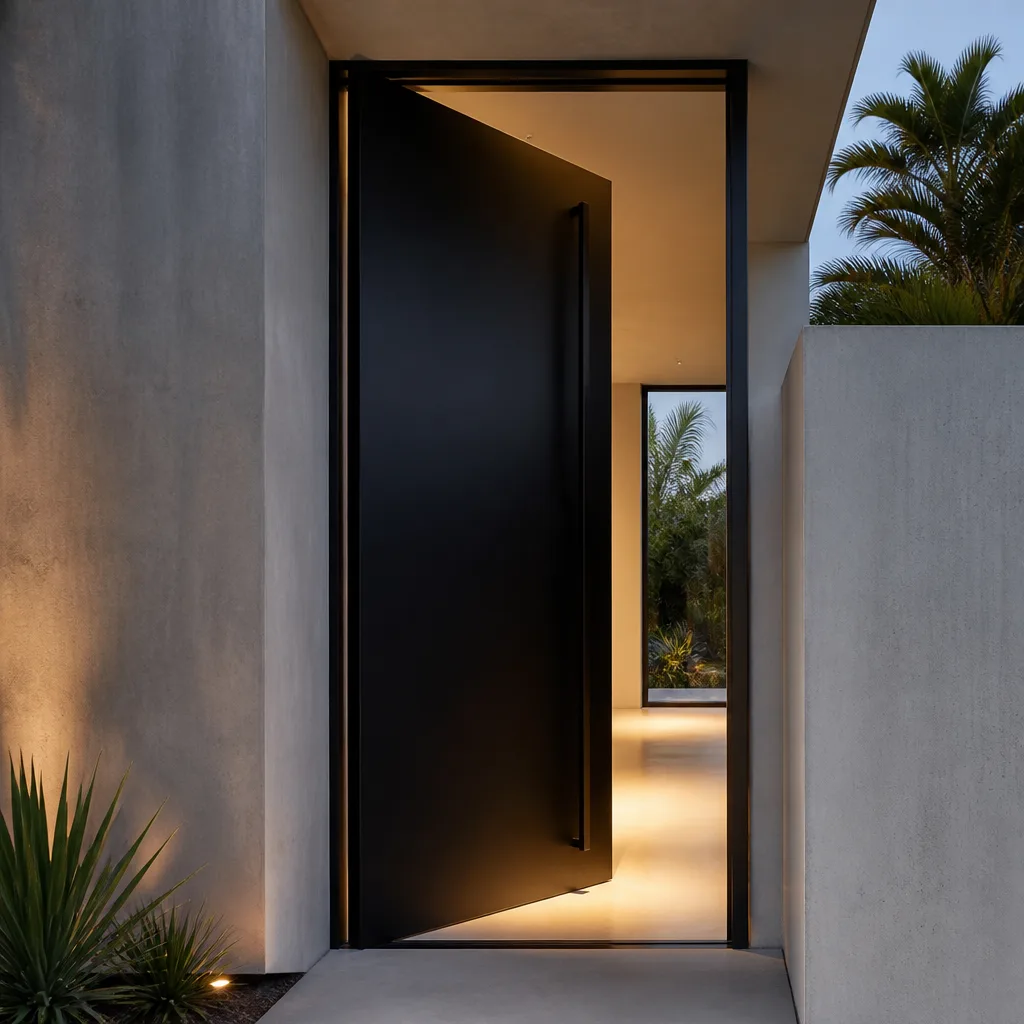
The Broward County Permitting Portal maintains a public record of all permits pulled on a property, including window and door replacements, going back to the mid-1990s for most jurisdictions. Searching this database before purchasing a Fort Lauderdale property - or before hiring a contractor for your current home - reveals whether prior work was permitted and whether it passed inspection.
Step-by-Step Search Process
- Navigate to the Broward County Permitting Portal at broward.org/permitting
- Select “Search Permits” and choose “Property Address Search”
- Enter the full street address including directional prefix (NE, SW, etc.) - Fort Lauderdale’s grid system requires precise entry
- Review the permit history for entries with trade type “Building” or “Window/Door”
- Click each permit number to view status: Issued, Inspected, Passed, Failed, or Closed
- Note any permits with status “Expired” or “Revoked” - these indicate work that was started but never completed to code
- Cross-reference permit dates with visible product ages - a 2022 permit for a window that looks original suggests the permit may not match the installed product
What Unpermitted Work Looks Like on the Record
It doesn’t. That’s the problem. A property with original 1985 windows and a 2019 kitchen remodel permit shows no window permits - which is expected if the windows weren’t replaced. But a property with clearly new impact-rated windows and no corresponding permit is a red flag. The next permit pulled on that property, whether for a roof replacement or an addition, can trigger a county review of all visible improvements.
We’ve consulted with Fort Lauderdale buyers in the Rio Vista neighborhood who discovered $23,000 in unpermitted window replacements during their pre-closing due diligence. The seller had used an unlicensed installer who skipped permits to save $400. The buyer negotiated a credit, but the transaction delayed three weeks. A five-minute portal search would have surfaced the issue during the offer phase.
For properties in the City of Fort Lauderdale proper, also search the city’s separate ePermitting system at fortlauderdale.gov/epermitting. Some older permits exist only in city records before county consolidation. We run both searches as standard practice before quoting any window replacement in Fort Lauderdale - not because we doubt the homeowner, but because the documentation gap between assumption and record is where costly surprises live.
Three 2023 Florida Building Code Changes Affecting Fort Lauderdale Replacements
The 2023 Florida Building Code, 8th Edition, took effect December 31, 2023, with specific amendments affecting window and door replacements in existing homes. Three changes matter most for Fort Lauderdale properties.
1. Updated Wind Speed Maps and Design Pressure Requirements
The 2023 code revised wind speed contours for Broward County, increasing the basic wind speed for certain risk categories. For residential window and door replacements, the practical effect is higher design pressure ratings for products installed in exposed locations - second stories, corner units, and properties east of A1A. A window that passed inspection under the 2020 code may not meet 2023 requirements for the same opening if the exposure category changed.
We verify the design pressure rating against current code for every quote. A CGI Sentinel impact window rated for +60/-60 PSF in 2021 may need +70/-70 PSF for a third-story installation in 2026. The product approval documentation must reflect the current code edition, not just the product’s original testing date.
2. Enhanced Energy Efficiency Requirements (U-Factor and SHGC)
The 2023 code tightened maximum U-factor and Solar Heat Gain Coefficient (SHGC) values for replacement windows in existing buildings. For Fort Lauderdale’s climate zone, the new maximum U-factor is 0.40 (down from 0.50 in some applications) and SHGC maximum is 0.25 for certain orientations.
This change affects product selection more than installation practice. A Therma-Tru entry door with standard clear glass may no longer comply for west-facing installations without upgrading to low-E glazing. We specify the glazing package on every quote with the calculated U-factor and SHGC values - the measurement and the quote are the same document, per Haven Clause 1.
3. Flood-Resistant Construction Requirements for Sill-Level Openings
Fort Lauderdale’s flood zones - particularly in neighborhoods near the New River, Tarpon River, and Intracoastal Waterway - saw updated base flood elevation maps in 2023. The code now requires additional flood-resistant materials and methods for windows and doors installed below the Design Flood Elevation, including:
- Pressure-treated or composite sill plates with stainless steel fasteners
- Flood opening requirements (automatic or engineered flood vents) for enclosed areas below DFE
- Enhanced documentation of finished floor elevation relative to current FEMA maps
Properties in the Las Olas Isles and Isle of Venice neighborhoods, where street elevations vary block by block, require particular attention. We’ve measured finished floor elevations that differ by 18 inches between adjacent lots built in the same decade. The permit application must reference the current FEMA Flood Insurance Rate Map, not the map in effect when the home was built.
Common Mistakes to Avoid

- Assuming replacement-in-kind avoids permits. In Fort Lauderdale’s HVHZ, replacing a non-impact window with another non-impact window still requires a permit if the product approval has changed or the energy efficiency standards have updated since the original installation.
- Relying on the contractor’s verbal assurance that permits are “handled.” Verify the permit number on the Broward County portal before work begins. A legitimate contractor provides the permit number with the written quote.
- Removing energy compliance labels before final inspection. The U-factor and SHGC labels must remain visible or be photographed with date stamp as approved alternative. We document every label before installation begins.
- Using Florida Product Approval when Miami-Dade NOA is required. East Fort Lauderdale properties in mapped HVHZ zones fail inspection with FL#-only products. The product approval pathway must match the property location.
- Ignoring expired permits from prior owners. An expired permit creates a cloud on title and can require re-permitting of completed work. Search the portal before listing or buying.
- Failing to pull a Notice of Commencement for jobs over $2,500. This Florida statutory requirement protects the owner from subcontractor liens and is separate from the building permit itself.
- Skipping the rough inspection to save time. The two-inspection system exists to catch framing and flashing errors before they’re buried behind finishes. One reinspection costs more than the time saved.
When to Call a Professional
Our DIY vs Professional Windows & Doors: The Fort Lauderdale Homeowner’s Decision Guide recommends calling a licensed contractor when replacement involves structural modification, impact-rated products in HVHZ zones, or any opening below the Design Flood Elevation. The documentation burden - product approvals, structural calculations, energy compliance forms - exceeds what most homeowners can verify independently. A permitted installation with proper inspection protects your property value and insurability.
Sightline Windows & Doors Fort Lauderdale offers free estimates in Fort Lauderdale, and you can find more guides & resources on our blog. We provide the measured survey you keep, the written quote that cannot differ from it, and the permit documentation before work starts. Call (754) 666-7478 to schedule your survey.
Frequently Asked Questions
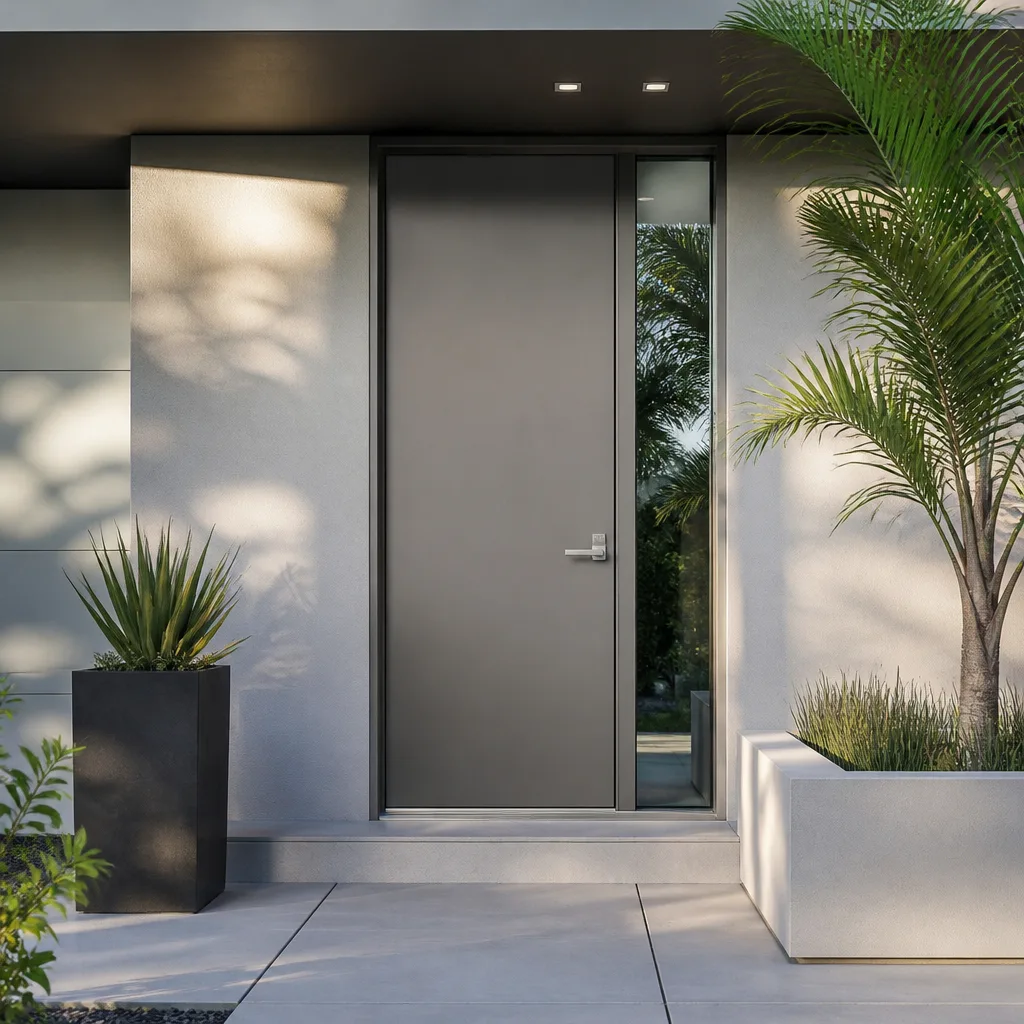
Yes. Fort Lauderdale requires building permits for all window replacements that alter the opening, change from non-impact to impact-rated products, or update energy efficiency beyond the original installation’s compliance. Even replacement-in-kind may need a permit if the current Florida Building Code has updated standards since the original was installed. Call (754) 666-7478 for a free estimate that includes permit costs.
Residential window and door permits in Broward County cost $175-$485 for typical projects, including base permit, plan review, impact fee, and energy compliance review. The first reinspection fee is $125 if the inspector finds deficiencies. We itemize every permit cost in our written quotes under Haven Clause 1. Call (754) 666-7478 for an exact quote on your specific project.
Florida Product Approval (FL#) certifies products for statewide use under the Florida Building Code. Miami-Dade Notice of Acceptance (NOA) certifies products for High Velocity Hurricane Zones with stricter testing. Fort Lauderdale properties east of I-95 and all coastal properties generally require Miami-Dade NOA for impact-rated installations. The permit application must match the product approval to the property location.
Search the Broward County Permitting Portal at broward.org/permitting using your property address. For Fort Lauderdale city limits, also search fortlauderdale.gov/epermitting. Look for building permits with trade type “Window/Door” and verify status shows “Passed” or “Closed.” No permit record for visibly new windows indicates unpermitted work that may require retroactive compliance.
The inspector issues a correction notice listing deficiencies. You have a limited window to correct the issues and schedule a reinspection for $125. Common failures include missing product labels, mismatched approvals, or inadequate flashing. We attend every inspection with complete documentation to prevent failures - part of Haven Clause 4, Evidence on every job.
Yes. Unpermitted work does not appear on property records until the next permit triggers a review, at which point the county can require removal and re-installation at the owner’s expense. Title insurers and buyers increasingly search permit portals during due diligence. We’ve seen sales delayed or renegotiated over unpermitted work discovered in Fort Lauderdale’s Victoria Park and Coral Ridge neighborhoods.
Impact windows in Fort Lauderdale’s High Velocity Hurricane Zone require either Miami-Dade NOA or Florida Product Approval with specific HVHZ certification. Not all FL# products carry HVHZ certification. The product approval documentation must explicitly list HVHZ compliance for the installation to pass inspection in coastal Broward County. We verify this before quoting any door installation in Fort Lauderdale or window project.
The Bottom Line
Florida’s two-track permit system - state product approval plus local inspection - protects homeowners only when both tracks are completed. The product approval certifies the window or door can perform in Florida’s climate. The local permit and inspection certify it was installed correctly on your specific Fort Lauderdale property. Skipping either track risks failed inspections, delayed closings, and retroactive compliance costs that exceed the original installation price. Verify prior permits before buying. Demand written documentation before work starts. And understand that the $400 saved by skipping permits can become $40,000 in remediation when the next owner pulls a roof permit.
Written by Sonia Raman, Owner at Sightline Windows & Doors Fort Lauderdale, serving Fort Lauderdale since 2012.
Six Reasons Homeowners Choose Sightline Windows & Doors Fort Lauderdale
Impact systems engineered to design pressures up to +/-100, matched to your wind zone - your openings hold when the storm arrives.
Low-E insulated impact glass from our manufacturer lines commonly cuts monthly cooling bills 20-30%.
Laminated impact glass shuts out up to 40% of outside noise - traffic, neighbors, weather.
Monitoring services run $30-90 a month. Laminated impact glass resists forced entry around the clock, with no subscription.
Florida homeowners average around 25% savings on the windstorm portion of their policy after protecting every opening - some homes qualify for more.
A full impact package upgrades curb appeal, buyer confidence and appraised value in one project.
Other Sightline Windows & Doors Fort Lauderdale Services
What Neighbors Say About Sightline Windows & Doors Fort Lauderdale