Last updated September 22, 2026
New windows and doors improve comfort, cut energy bills and add long-term value to your home. Sightline Windows & Doors Fort Lauderdale pairs proven product lines with our own installing crews for lasting performance - and a price we put in writing.
1. Choose your installer
The unit is half the job - the install is the other half. Our own background-checked crews measure, set, seal and insulate every opening, and they know the lines we quote inside and out because they install them every week.
2. Select the right products
Compare styles, materials and glass packages side by side until the fit is right for your rooms, your budget and your goals. The product-line comparison below is the place to start.
3. Prepare your home for install
Before install day we walk you through a short checklist - furniture pulled back, treatments down, a clear path to each opening - so install day is watch-it-happen, not scramble.
Compare the Lines We Quote
Every project is priced on the same lines, side by side - the price indicators below are relative, and your consultant shows exact numbers on your actual openings.
PGTThe line Florida homeowners arrive naming - the most Miami-Dade certifications in the industry$$$
- More Miami-Dade NOA certifications than any other line we quote
- WinGuard, EnergyVue and ClassicVue Max systems built for every wind zone
- 99% on-time delivery keeps your install date on the calendar
CGIThe heavyweight impact line$$$$$
- Large-missile impact ratings for the strictest wind zones
- Architectural-grade aluminum with commercial-depth frames
- The line we quote when protection is the whole point
CWSThe Florida value pick$$
- Vinyl systems built in Florida for Florida codes
- Strong energy packages at the friendliest price point
- The smart start for whole-home replacements on a budget
ESWSlim lines, big glass$$$$
- Narrow-sightline aluminum for modern elevations
- Oversized openings and floor-to-ceiling glass
- Impact-rated without the bunker look
ECOThe aluminum impact workhorse$$$
- Miami-built aluminum impact systems
- A strong price-to-protection ratio for coastal homes
- Proven inventory lines with short lead times
DIY vs Professional Windows & Doors: The Fort Lauderdale Homeowner’s Decision Guide
A homeowner in Broward County can legally install their own windows. But here’s what most Fort Lauderdale property owners discover too late: they cannot pull a homeowner-exemption permit for impact window replacements in a non-owner-occupied structure, and they cannot obtain final inspection sign-off without a licensed contractor of record in most Broward municipalities. The question of whether to DIY or hire a professional isn’t answered by how handy you are. It’s answered by which side of the Florida Building Code your specific job falls on, and whether you need a certificate of completion that your insurance company will recognize after the next named storm.
In this guide and our step-by-step guide on hiring a windows & doors contractor in Fort Lauderdale, we’ll cover the exact legal definition of Florida’s homeowner-builder exemption, the specific tasks a skilled homeowner can handle versus those that require a licensed contractor, what a failed DIY impact installation actually costs to remediate, and how to verify that your contractor’s documentation will hold up when you file a claim. Everything here applies specifically to Fort Lauderdale’s code environment, climate exposure, and permit structure.
Quick Answer
Most window and door replacements in Fort Lauderdale require a permit, and permitted work must be performed or supervised by a licensed contractor to pass final inspection. DIY installation is legally possible only for narrow exemptions, and impact-rated products - which most Fort Lauderdale homes require - cannot be self-installed if you need insurance-recognized documentation. For the majority of homeowners, professional installation is not a preference; it’s a code requirement.
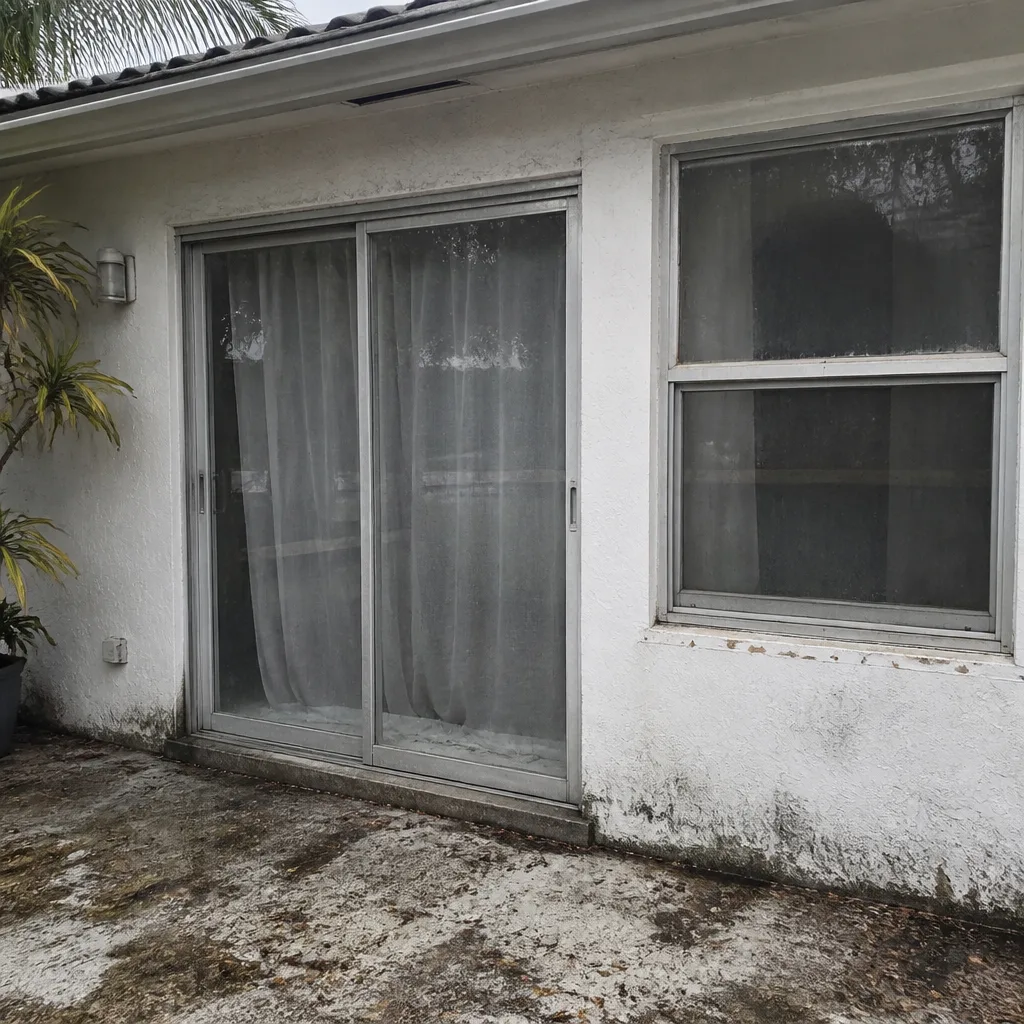 Before
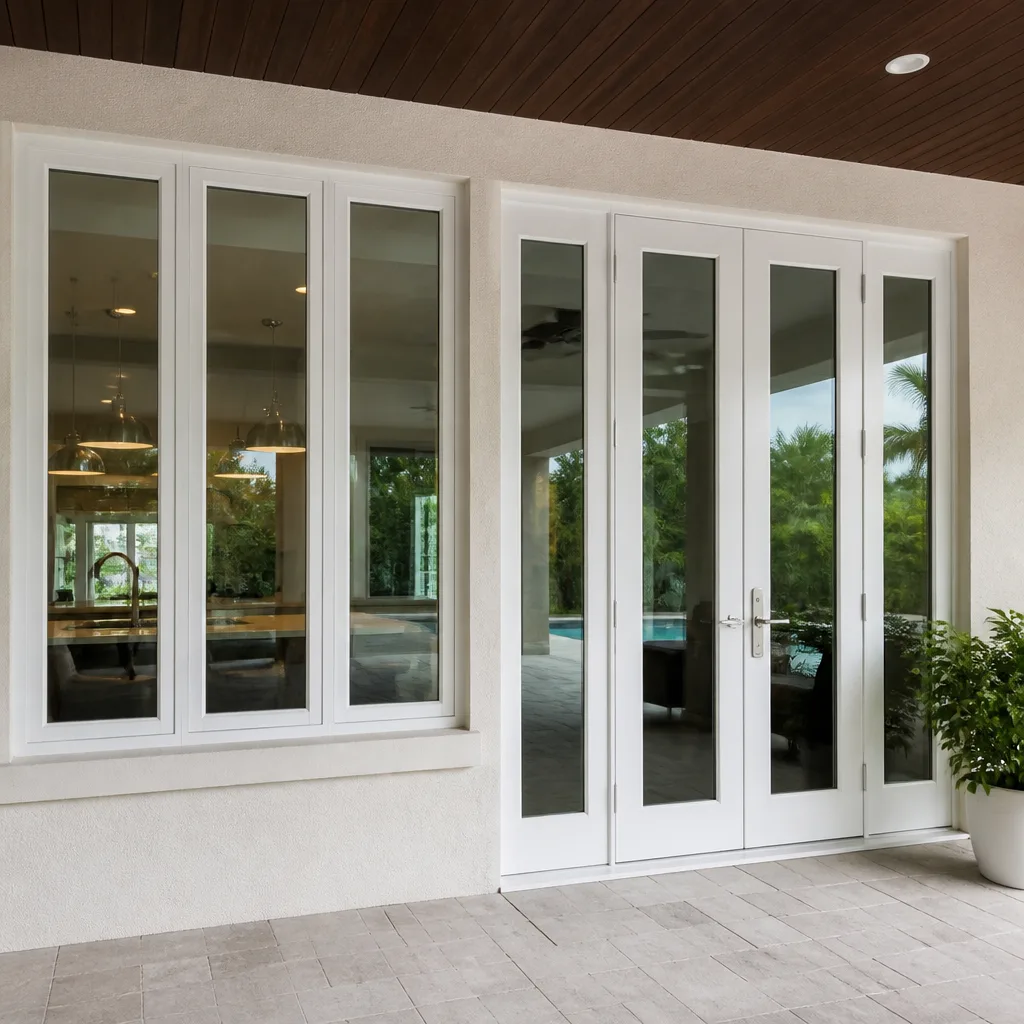 After
AfterTable of Contents
- Florida’s Homeowner-Builder Exemption: What It Actually Covers
- Why Impact Windows Are the Job Type Where DIY Errors Don’t Self-Correct
- Real Cost Comparison: Licensed Installation vs. Failed DIY Remediation
- Three Tasks a Skilled Homeowner Can Handle (and Four That Require a Licensed Contractor)
- How to Verify Your Contractor’s Work Will Generate Insurance-Grade Documentation
- The Fort Lauderdale Permit Process: What to Expect
- Selecting Products for Fort Lauderdale’s Climate and Code
- Common Mistakes to Avoid
- When to Call a Professional
- Frequently Asked Questions
- The Bottom Line
Florida’s Homeowner-Builder Exemption: What It Actually Covers
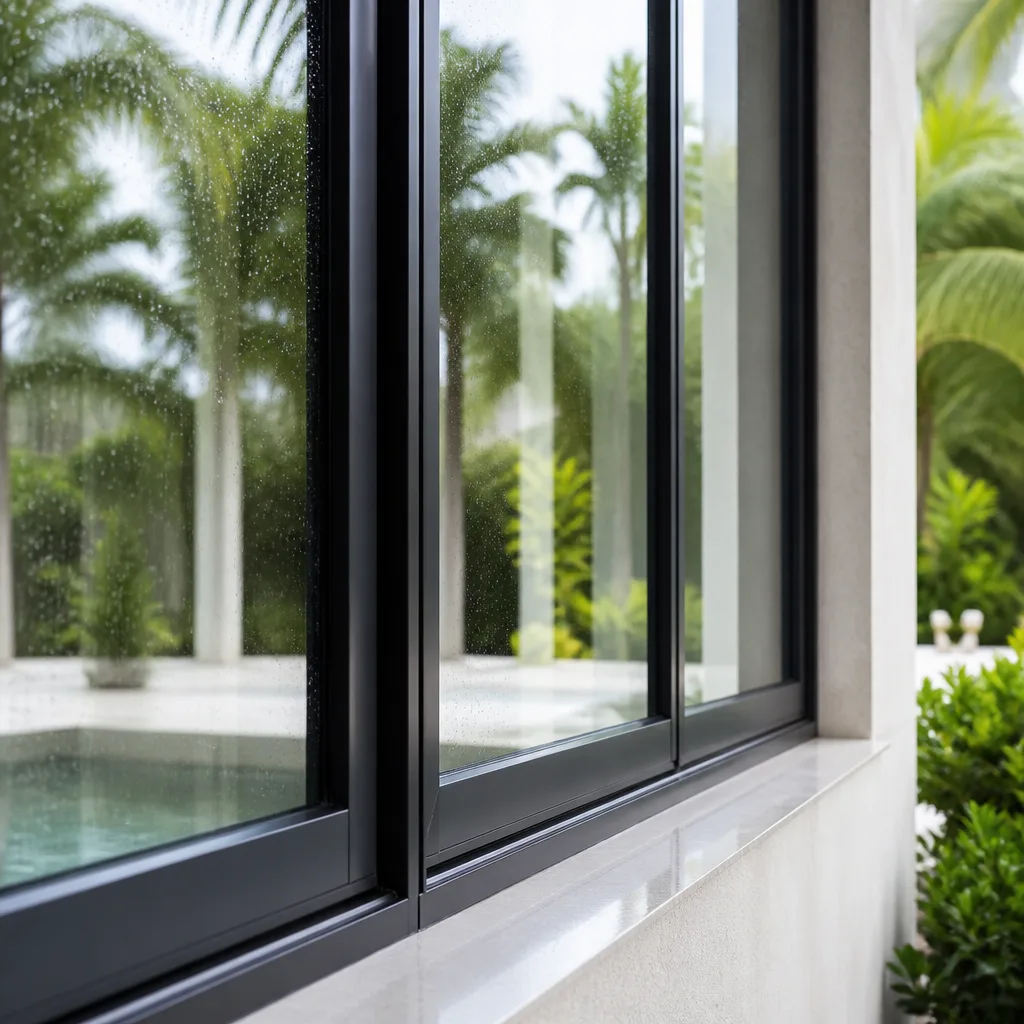
The homeowner-builder exemption in Florida Statute 489.103(7) allows a property owner to act as their own contractor under specific, narrow conditions. Understanding these conditions is essential because the exemption is where most Fort Lauderdale homeowners start - and where many misstep.
To qualify, you must own and occupy the property as your primary residence. The work must be for your own benefit, not for sale or lease. You cannot hire unlicensed persons to perform work requiring a license; you can only hire licensed subcontractors directly. And critically, the exemption does not apply to structures that are not owner-occupied - meaning rental properties, second homes, and investment properties in Fort Lauderdale’s condo and duplex market are excluded entirely.
Even when the exemption applies, it carries significant liability. The homeowner assumes all responsibility for code compliance, worker injury, and property damage. In Broward County, building officials will not provide legal advice on whether your specific project qualifies; they will accept or reject your permit application based on the documentation you submit.
Here’s what the exemption does not cover in practice for most Fort Lauderdale window and door jobs:
- Impact-rated window or door installation in any structure you do not personally occupy as your primary residence
- Work that requires engineering calculations or stamped drawings, common in high-velocity hurricane zone installations
- Installation in buildings governed by a homeowners’ association with contractor insurance requirements
- Any work where the permit application lists a contractor of record, which then cannot be changed to homeowner exemption without re-permitting
Most Fort Lauderdale homes built after 1992, and many older homes updated for insurance compliance, require impact-rated products. These products carry Miami-Dade County or Florida Product Approval numbers that must be installed exactly per the manufacturer’s Florida-approved installation instructions. A deviation - wrong fastener spacing, incorrect sealant bead, improper shimming - voids both the product warranty and the installation’s compliance with the Florida Building Code.
We’ve reviewed permits in Fort Lauderdale where a homeowner pulled an owner-builder permit for “window replacement,” only to discover at rough inspection that the specified products were impact-rated and required a licensed contractor’s affidavit of compliance. The permit was red-tagged. The windows were already installed. The homeowner paid twice: once for the installation, once for us to remove, document, and reinstall with proper contractor of record documentation.
Why Impact Windows Are the Job Type Where DIY Errors Don’t Self-Correct
A misset interior door frame reveals itself immediately. The door binds, or the gap is visible, or the latch misses the strike plate. You know something is wrong within hours of installation.
A misset impact window frame passes visual inspection. The sashes operate smoothly. The reveal looks even. The caulk line is clean. The error is buried: insufficient fastener embedment into the structural framing, or a gap in the sealant continuity at the sill, or a shim that compresses under load and transfers stress to the glass edge rather than the frame. These errors become visible only when the window is pressure-tested by a 130 mph wind, or when the frame deflects enough to crack the laminated glass under impact from wind-borne debris.
Fort Lauderdale sits in the High-Velocity Hurricane Zone (HVHZ) as defined by the Florida Building Code. Every window and door installed here must either be impact-rated or protected by an approved shutter system. Impact-rated products are engineered as complete systems: the frame, the glazing, the fasteners, the sealant, and the installation method are tested together as an assembly. Change one variable, and the assembly is no longer the product that passed testing.
The specific failure modes we’ve documented after DIY impact installations in Fort Lauderdale include:
- Fastener pullout at the sill. The Florida-approved installation instructions for most impact window systems specify fasteners at 12-inch centers with minimum embedment into the wood or concrete substrate. A homeowner using the screws that came with the window - often meant for interior trim, not structural attachment - or spacing them at 24 inches to save time, creates a sill that lifts under negative pressure (suction) during a hurricane.
- Discontinuous sealant at the head flashing. The head flashing must be sealed to the window frame and to the building paper or fluid-applied weather barrier in a continuous bead. A gap of even 1/8 inch allows wind-driven water to enter the wall cavity. In Fort Lauderdale’s summer rain patterns, this produces rot in the header within two to three years - long after the DIY installer has moved on to other projects.
- Improper shimming that transfers load to the glass. Impact windows are designed with the frame carrying wind load, not the glass. When the frame is out of square and shimmed to fit the opening rather than plumbed and anchored independently, operational loads and thermal expansion stress the glass edge. The laminated interlayer degrades prematurely, and the glass fogs or delaminates.
- Missing or incorrect anchorage at the meeting rail. Multi-panel impact windows and sliding glass doors have specific anchorage requirements at the interlock or meeting rail. This is the point of highest stress during wind loading. The fastener schedule here is different from the perimeter anchorage. Most DIY installers treat the meeting rail like any other frame section.
These errors do not self-correct. They do not become visible during normal use. They become visible during the event for which the window was purchased, at which point the homeowner discovers that their insurance claim is contested because the installation lacks proper permitting and contractor documentation.
Real Cost Comparison: Licensed Installation vs. Failed DIY Remediation
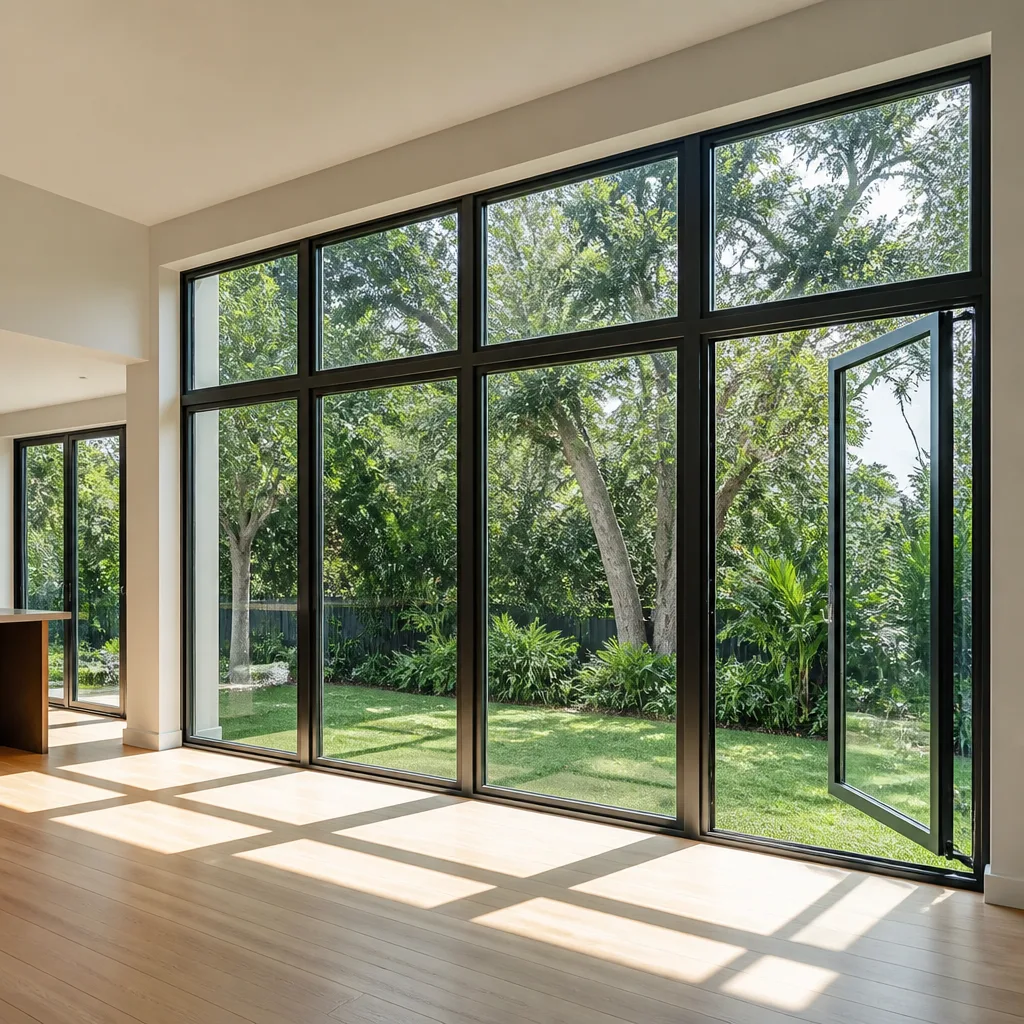
Homeowners considering DIY installation typically compare the cost of materials against a contractor’s quoted price. This comparison omits the cost of failure, which is where the real divergence occurs.
Here is the actual cost structure for a typical Fort Lauderdale home: a 2,400 square foot single-story residence in the Coral Ridge or Victoria Park area with 14 window openings and 2 sliding door openings, all requiring impact-rated products.
| Cost Category | DIY Path (Initial) | Professional Installation (Sightline) | Failed DIY Remediation |
|---|---|---|---|
| Impact-rated windows and doors (materials only) | $18,000 – $24,000 | $18,000 – $24,000 | $18,000 – $24,000 (original materials, often damaged during removal) |
| Permit fees | $450 – $650 | $450 – $650 | $450 – $650 (new permit required) |
| Tools and equipment | $800 – $1,500 | Included | $0 – $400 (if tools already purchased) |
| Installation labor | Homeowner time | $8,000 – $14,000 | $10,000 – $16,000 (removal, disposal, reinstallation, often with opening repairs) |
| Final inspection and sign-off | Often unobtainable without licensed contractor | Included | Required; cannot proceed without |
| Opening repair from water intrusion or fastener damage | $0 (if no error) | Included in warranty | $2,000 – $8,000 (common in failed DIY we have remediated) |
| Re-permitting and code compliance documentation | $0 | Included | $500 – $1,200 |
| Insurance claim documentation | Often insufficient | Documented photo record provided | May require third-party engineering report: $1,500 – $3,500 |
| Total Range | $19,250 – $26,150 (if no errors, if permit passes) | $26,450 – $38,650 (Haven Clause 1: written price before work starts) | $32,450 – $53,750 (typical range for failed DIY remediation we have handled) |
The professional installation range includes our measured survey, the written quote that becomes the final invoice, the 365-Day Done Right Promise, and the documented photo record. The failed DIY remediation range reflects actual jobs we have taken over in Fort Lauderdale after owner-builder permits were red-tagged or insurance documentation was rejected.
The critical point: the DIY path only reaches its lower bound if every step is executed correctly and the permit finalizes. In our experience across 18,000+ openings, impact window installation is not the project where first-time DIY execution achieves code-compliant results. The tolerances are too tight, the code requirements too specific, and the consequences of error too expensive.
Three Tasks a Skilled Homeowner Can Handle (and Four That Require a Licensed Contractor)
This is not an all-or-nothing proposition. There are legitimate ways for a hands-on Fort Lauderdale homeowner to reduce costs without assuming the liability of full installation. The key is knowing which tasks are cosmetic and reversible versus which are structural and code-governed.
Three Tasks a Skilled Homeowner Can Legitimately Handle
- Interior trim installation after the window is anchored and sealed. Once the window is installed, flashed, and inspected, the interior extension jambs, casing, and stool are finish carpentry. These elements do not affect the window’s structural performance or weather resistance. A homeowner with trim carpentry experience can achieve results equal to or better than a production crew focused on speed. We leave interior trim off by request on some jobs, particularly in historic Fort Lauderdale neighborhoods like Rio Vista where homeowners are matching existing millwork profiles.
- Interior paint and sealant touch-up. The paintable sealant bead between the window frame and the interior trim, and the finish paint itself, are homeowner-accessible tasks. We specify the sealant type (typically paintable silicone or acrylic latex) and the paint sheen, then document the frame condition before handoff. The homeowner assumes no structural liability for this work.
- Hardware adjustment and screen installation. After final inspection, operational adjustments to sash balances, lock alignment, and insect screen fitting are maintenance items. Most manufacturers include adjustment instructions in the product literature. This is appropriate homeowner maintenance, not installation.
Four Tasks That Require a Licensed Contractor
- Opening preparation and structural modification. Removing the existing window, cutting back stucco or siding, repairing rotted framing, and resizing the rough opening all affect the building envelope’s structural integrity. In Fort Lauderdale’s HVHZ, the connection between the window frame and the wall framing is an engineered load path. Modifying it without understanding the shear transfer requirements creates a failure point.
- Product anchorage and fastening. The fastener type, diameter, length, embedment, and spacing are all specified in the Florida Product Approval document for that specific window system. These specifications vary by product, by opening size, by wall construction type, and by wind zone. A licensed contractor has access to the current approval document and the liability insurance that covers errors in its application.
- Flashing and weather barrier integration. The sequence of sill pan flashing, side flashing, head flashing, and integration with the building’s weather-resistant barrier is the most common point of failure in window installation. In Fort Lauderdale’s climate, this is also the most consequential: water intrusion behind the stucco produces mold, framing rot, and structural damage that is expensive to access and repair.
- Permit application, inspection scheduling, and final sign-off. In Broward County, the contractor of record on the permit is the party responsible for code compliance. Final inspection requires the contractor or their authorized representative to be present. The documentation generated - the passed inspection record, the certificate of completion, the as-built documentation - is what your insurance company will request after a loss.
We’ve worked with Fort Lauderdale homeowners who handled all three permissible tasks and achieved significant savings. We’ve also been called to remediate jobs where the homeowner crossed into the four prohibited tasks, often without realizing the boundary. The measured survey we provide at the start of every Sightline engagement specifies exactly what is included and what is not, so there is no ambiguity about who is responsible for which scope element.
How to Verify Your Contractor’s Work Will Generate Insurance-Grade Documentation
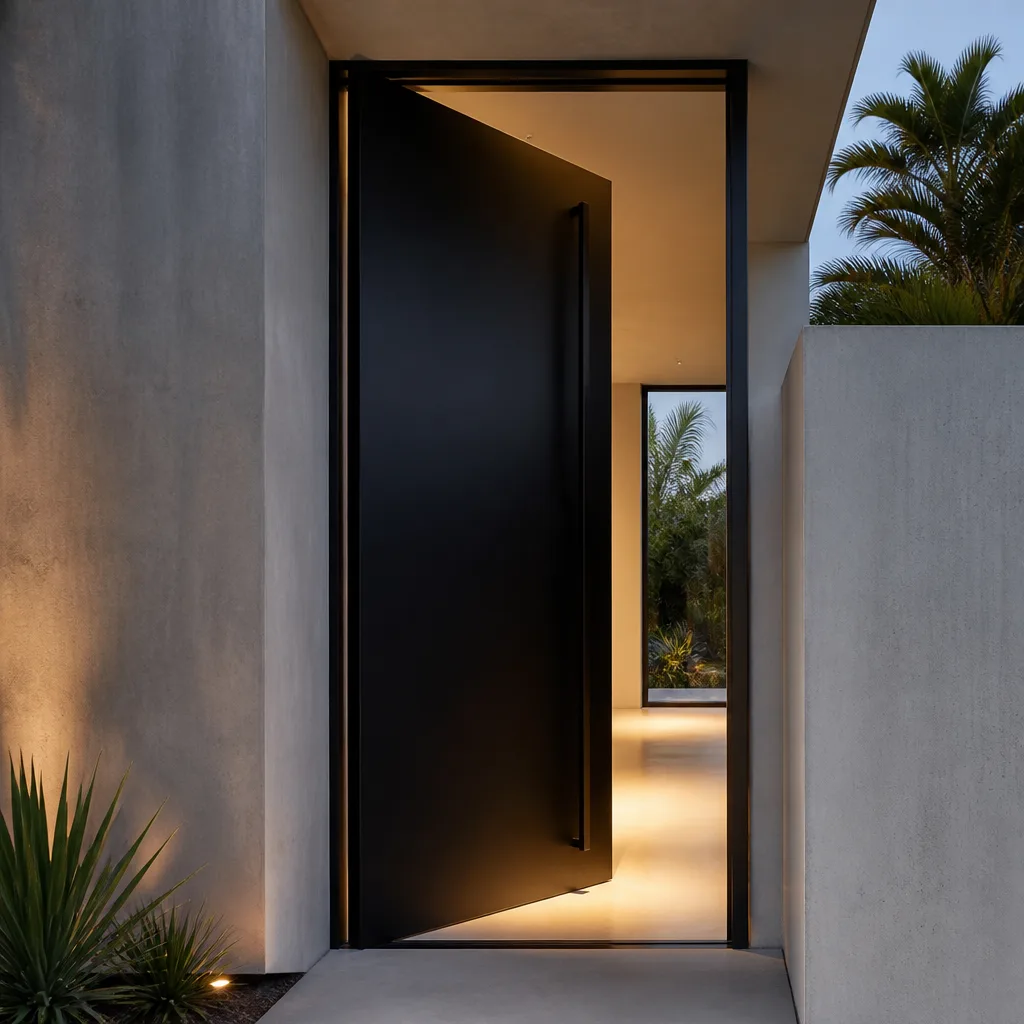
After Hurricane Irma in 2017 and Hurricane Ian in 2022, Fort Lauderdale homeowners learned that insurance claims for window and door damage require documentation beyond a receipt. Our seasonal windows & doors care guide for Fort Lauderdale explains how year-round maintenance protects this critical documentation. The adjuster wants evidence that the product was impact-rated, that it was installed per the manufacturer’s Florida-approved instructions, that the installation passed final inspection, and that the product was in good condition before the storm event.
Most contractors provide a receipt. Few provide evidence. Here’s how to verify which type you are hiring.
Ask for These Four Documents Before Signing
- The measured survey you keep. This is the document that records your opening dimensions, frame conditions, and product specifications before any work begins. It should be dated, signed, and provided to you in hard copy or PDF. At Sightline, this is Haven Clause 1: the measurement and the quote are the same document. You keep the survey whether or not you proceed with us.
- The Florida Product Approval number for each specified product. This is not the manufacturer’s model number. It is the FL# or Miami-Dade County approval number that certifies the product for High-Velocity Hurricane Zone use. You can verify this number at floridabuilding.org or miamidade.gov/building. If the contractor cannot provide it, they are specifying products that may not meet code for your Fort Lauderdale location.
- The permit application with contractor of record. The permit should list the contractor’s license number, which you can verify at myfloridalicense.com. The license status, insurance bond, and any disciplinary history are public record. In Broward County, you can also verify permit status at broward.org/building.
- The documented photo record delivery method. Ask specifically: how many photos, of what, delivered how, and when. A verbal promise of “we take pictures” is not documentation. At Sightline, Haven Clause 4 (Evidence on Every Job) means we photograph the opening before work, the rough installation at midpoint, the completed installation, and the passed inspection sticker. These photos are delivered in a dated folder with the final invoice. They are your evidence for insurance claims, warranty disputes, and future real estate transactions.
We’ve reviewed competitor “photo records” that consisted of three smartphone snapshots shared by text message. That is not evidence; it is a courtesy. Evidence is organized, dated, comprehensive, and delivered in a format you can archive and retrieve years later.
The Sightline Windows & Doors Fort Lauderdale home page includes our documentation standards. Every engagement begins with the measured survey and ends with the photo record. The 365-Day Done Right Promise is written into the Haven Standard, not offered as a verbal afterthought.
The Fort Lauderdale Permit Process: What to Expect
Permitting in Fort Lauderdale operates under Broward County’s unified building code with city-specific administrative procedures. Understanding this process helps you evaluate whether a contractor’s timeline is realistic and whether your project will generate the documentation you need.
For a typical window or door replacement in Fort Lauderdale, the process is:
- Measured survey and product specification. The contractor documents existing conditions and specifies replacement products with matching Florida Product Approval numbers. This is the document that becomes the permit application attachment.
- Permit application submission. In Fort Lauderdale, this is typically submitted electronically through the Broward County E-Permitting system. The application includes the contractor’s license information, the property owner’s information, the scope of work, and the product approval documentation. Permit fees for residential window replacement typically range from $450 to $650 depending on the number of openings and the valuation.
- Plan review. For standard product replacements in existing openings, this is often an administrative review that takes 3-5 business days. For jobs requiring engineering, custom products, or structural modification, review may take 2-3 weeks.
- Permit issuance and work commencement. Work must begin within 180 days of permit issuance. The permit card must be posted on site and visible from the street.
- Rough inspection. For window and door replacement, this typically occurs after old products are removed, openings are prepared, and new products are set but before interior trim is installed. The inspector verifies anchorage, flashing, and code compliance with the approved plans.
- Final inspection. After all work is complete, including trim and hardware. The inspector verifies operational function, finish quality, and code compliance. A passed final inspection generates the certificate of completion.
The total timeline from application to final inspection is typically 2-4 weeks for straightforward replacements, longer for complex jobs. Contractors who promise permits “in a day” or who suggest working without a permit are either misinformed or misrepresenting the process. Unpermitted work in Fort Lauderdale is subject to stop-work orders, fines, and mandatory removal at the owner’s expense.
We’ve had Fort Lauderdale homeowners come to us after a “quick, no-permit” job was reported by a neighbor or discovered during a refinance inspection. The cost to permit retroactively - if it is possible at all - typically exceeds the original installation cost. The Window Replacement in Fort Lauderdale page includes our standard permitting timeline and documentation.
Selecting Products for Fort Lauderdale’s Climate and Code

Fort Lauderdale’s climate demands specific performance characteristics that differ from inland Florida markets. The combination of salt air exposure, high humidity, intense solar gain, and hurricane wind exposure creates a product specification environment where generic recommendations fail.
Here are the performance specifications we verify for every Fort Lauderdale installation:
- Impact rating: Miami-Dade County Notice of Acceptance (NOA) or Florida Product Approval for HVHZ. This is non-negotiable for any opening not protected by an approved shutter system.
- U-factor: 0.35 or lower for windows, 0.60 or lower for doors, per the Florida Energy Conservation Code. Lower U-factor means better insulation against heat transfer. In Fort Lauderdale’s cooling-dominated climate, this directly affects electricity consumption.
- Solar Heat Gain Coefficient (SHGC): 0.25 or lower for east and west exposures, 0.30 or lower for north and south. SHGC measures how much solar radiation passes through the glass. Fort Lauderdale’s low latitude and long summer days make this specification more important than in northern markets.
- Air infiltration: 0.3 cfm/sf or lower. This measures how much outside air leaks around the operable sash. In Fort Lauderdale’s humid climate, air infiltration brings moisture and reduces the effectiveness of air conditioning.
- Frame material: Aluminum with thermal break, or vinyl with multi-chamber construction. Pure aluminum without thermal break creates condensation and heat transfer issues. Wood frames require maintenance schedules that most Fort Lauderdale homeowners do not maintain, leading to rot in the frame and voided warranties.
- Hardware and fasteners: Stainless steel or zinc-aluminum coated, never standard steel. Salt air corrosion of hardware is a common failure mode in coastal Fort Lauderdale installations, particularly in beachfront neighborhoods like Harbor Beach and Lauderdale Beach.
We specify from eight manufacturer lines - PGT, CGI, CWS, ES Windows, ECO Window Systems, Mr-Glass, Therma-Tru, and ViewLux - selected by what the opening requires, not by what is in stock. A Window Installation in Fort Lauderdale or Door Installation in Fort Lauderdale consultation includes product specification by performance tier and price range, with the Florida Product Approval numbers documented in your measured survey.
For Fort Lauderdale’s historic districts, including parts of Sailboat Bend and Progresso Village, we also specify products that meet the Secretary of the Interior’s Standards for Rehabilitation where required by local historic preservation ordinances. This often means custom profiles or divided lite patterns that replicate original fenestration while meeting current impact and energy codes.
Common Mistakes to Avoid
- Assuming the homeowner exemption covers your rental property. It does not. In Fort Lauderdale’s active rental market, many owners of duplexes, triplexes, and condo units attempt owner-builder permits for window replacement. Broward County building departments reject these applications when the property is not owner-occupied. The application fee is not refunded.
- Using interior-grade sealant on exterior window perimeters. The silicone or acrylic latex caulk sold for bathroom and kitchen use degrades rapidly under UV exposure. Within 18 months in Fort Lauderdale’s sun, it cracks and allows water intrusion. Exterior window sealant must be polyurethane or specified silicone rated for structural glazing applications.
- Installing impact windows with non-impact-rated hardware. The lock, hinge, and multi-point hardware on an impact window are part of the tested assembly. Substituting standard hardware - even if it fits - voids the product approval. We’ve seen this in DIY installations where the homeowner reused existing locks to “save money.”
- Ignoring the sill pan flashing detail. The most common water intrusion point in window installation is the sill, where water concentrates and where the rough opening is most vulnerable to rot. A proper sill pan - either manufactured or site-formed from approved membrane - is required by code and by every manufacturer’s installation instructions. Skipping it to save time produces concealed damage that costs thousands to repair.
- Failing to verify that the contractor’s license covers window and door installation. A general contractor license allows the holder to supervise window installation, but some specialty licenses do not. Verify that the license classification matches the work. In Florida, a CBC (Certified Building Contractor) or CRC (Certified Residential Contractor) is appropriate; a CWC (Certified Window and Door Contractor) is also valid but less common.
- Accepting a verbal warranty without written terms. The 365-Day Done Right Promise at Sightline is written into the Haven Standard and included with every job. Verbal assurances of “we’ll take care of you” are not enforceable. Request the warranty document before work begins and verify what it covers, what it excludes, and how claims are initiated.
- Neglecting to document the condition of existing windows before removal. For insurance purposes, you need evidence that your impact windows were properly installed and in good condition before a storm. The documented photo record we provide serves this function. Homeowners who DIY rarely create this documentation, and when they do, it lacks the date stamps, organization, and comprehensiveness that adjusters expect.
When to Call a Professional
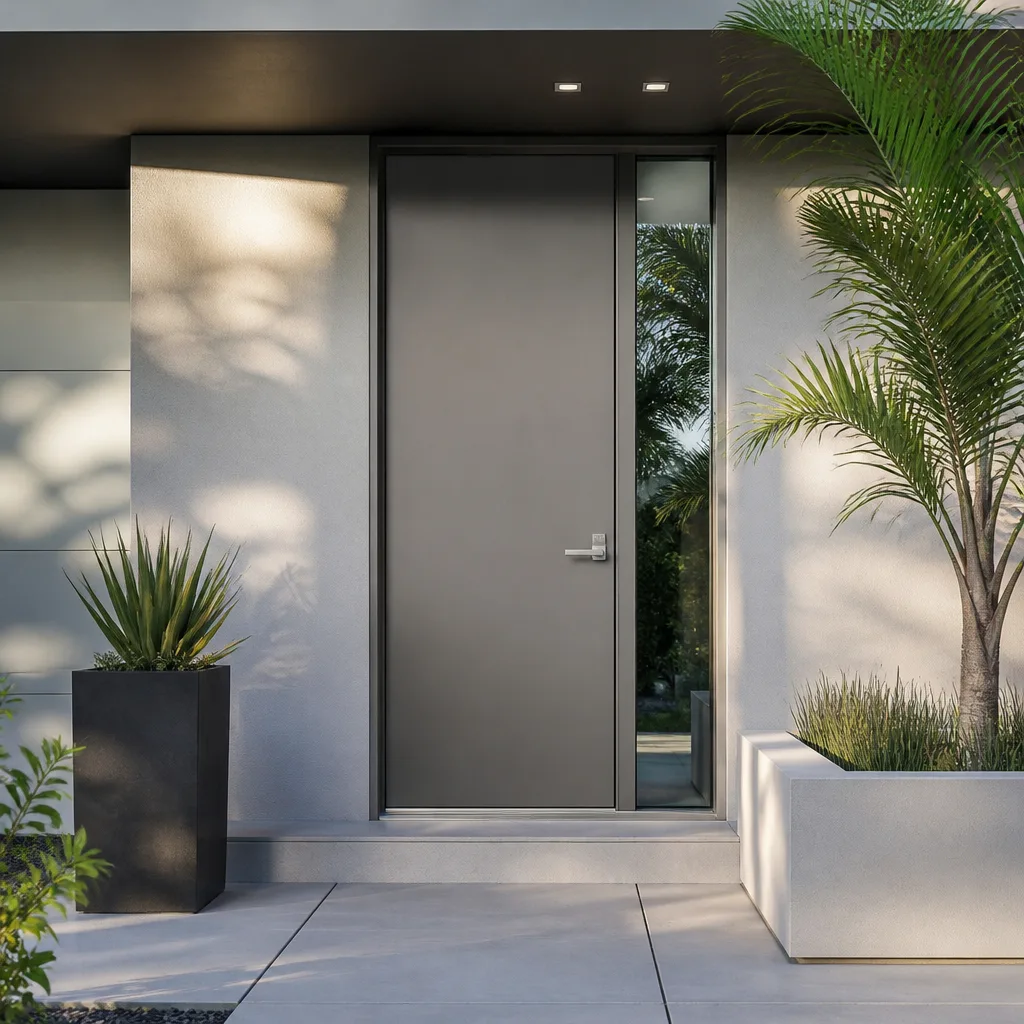
Call a licensed contractor when your project involves impact-rated products, permit requirements, structural modification, or any structure you do not personally occupy as your primary residence. These categories cover most window and door work in Fort Lauderdale.
Call when you need documentation that will satisfy your insurance company, your mortgage lender, or a future buyer. Call when the opening shows signs of water damage, frame rot, or structural compromise that must be assessed before product selection. Call when you are matching existing millwork in a historic district or when the product specification requires engineering calculations.
Sightline Windows & Doors Fort Lauderdale offers free estimates in Fort Lauderdale. Every estimate begins with a measured survey you keep, includes a written price before any work starts, and specifies the exact products, performance ratings, and documentation you will receive. Call (754) 666-7478 to schedule your free estimate.
Frequently Asked Questions
Yes, if you own and occupy the property as your primary residence, and if the work does not require a licensed contractor by code or local ordinance. However, most impact window installations in Fort Lauderdale’s High-Velocity Hurricane Zone require a licensed contractor of record to obtain final inspection sign-off. Call (754) 666-7478 for a free estimate - we can review your specific property and permit requirements.
Professional installation for a typical Fort Lauderdale home with 14-16 impact-rated openings ranges from $26,000 to $39,000 including materials, labor, permit, and documentation. DIY materials alone range from $18,000 to $24,000 but do not include permit finalization, warranty protection, or insurance-grade documentation. Failed DIY remediation typically costs $32,000 to $54,000. Call (754) 666-7478 for an exact quote on your specific openings - estimates are free.
At Sightline, the written price before work starts is the final invoice. Haven Clause 1 means the measured survey and the quote are the same document. We do not issue change orders for conditions we should have identified during survey, and we do not upsell during installation. If concealed damage is found after work begins, we document it, stop work, and provide a separate written scope before proceeding. Call (754) 666-7478 to schedule your measured survey.
We pull all permits as the contractor of record. The permit lists our license number, we schedule all inspections, and we provide you with the passed inspection documentation and certificate of completion. This is included in every Sightline engagement. You do not need to visit the building department or coordinate with inspectors. Call (754) 666-7478 to discuss your project timeline.
Permitting takes 2-4 weeks for standard residential window replacement. Installation of 14-16 openings typically requires 2-3 working days for the crew on site, plus rough and final inspections scheduled around Broward County inspector availability. Total elapsed time from contract to completion is typically 4-6 weeks. Complex jobs, custom products, or historic district approvals may extend this timeline. We provide a written schedule with every quote. Call (754) 666-7478 for a timeline specific to your property.
You receive four documents: the measured survey you keep, the written quote that becomes the final invoice, the permit and passed inspection records from Broward County, and the documented photo record of installation. See our window installation maintenance checklist for Fort Lauderdale homeowners for what to monitor after these documents are in hand. The photo record includes dated images of the opening before work, the rough installation at midpoint, the completed installation, and the passed inspection sticker. This is Haven Clause 4: Evidence on Every Job. It is standard, not an upsell. Call (754) 666-7478 to review our documentation package.
The Bottom Line
In Fort Lauderdale, the DIY versus professional question for windows and doors is answered by the Florida Building Code, not by skill level. For more guides & resources on navigating these requirements, explore our blog. The homeowner-builder exemption is narrow, impact-rated products require licensed installation for final inspection, and the cost of failed DIY remediation far exceeds professional installation. The tasks a homeowner can safely handle - interior trim, paint, and hardware adjustment - are real cost-saving opportunities. The tasks that require a licensed contractor - structural anchorage, flashing, permitting, and documentation - are where errors become invisible, expensive, and dangerous. The documentation you receive matters as much as the installation itself: without a documented photo record, passed inspection, and written warranty, your impact windows are a product without a provable installation. That distinction matters when you file an insurance claim, sell your property, or face the next hurricane season.
Written by Sonia Raman, Owner at Sightline Windows & Doors Fort Lauderdale, serving Fort Lauderdale since 2012.
Six Reasons Homeowners Choose Sightline Windows & Doors Fort Lauderdale
Impact systems engineered to design pressures up to +/-100, matched to your wind zone - your openings hold when the storm arrives.
Low-E insulated impact glass from our manufacturer lines commonly cuts monthly cooling bills 20-30%.
Laminated impact glass shuts out up to 40% of outside noise - traffic, neighbors, weather.
Monitoring services run $30-90 a month. Laminated impact glass resists forced entry around the clock, with no subscription.
Florida homeowners average around 25% savings on the windstorm portion of their policy after protecting every opening - some homes qualify for more.
A full impact package upgrades curb appeal, buyer confidence and appraised value in one project.
Other Sightline Windows & Doors Fort Lauderdale Services