Last updated September 22, 2026
New windows and doors improve comfort, cut energy bills and add long-term value to your home. Sightline Windows & Doors Fort Lauderdale pairs proven product lines with our own installing crews for lasting performance - and a price we put in writing.
1. Choose your installer
The unit is half the job - the install is the other half. Our own background-checked crews measure, set, seal and insulate every opening, and they know the lines we quote inside and out because they install them every week.
2. Select the right products
Compare styles, materials and glass packages side by side until the fit is right for your rooms, your budget and your goals. The product-line comparison below is the place to start.
3. Prepare your home for install
Before install day we walk you through a short checklist - furniture pulled back, treatments down, a clear path to each opening - so install day is watch-it-happen, not scramble.
Compare the Lines We Quote
Every project is priced on the same lines, side by side - the price indicators below are relative, and your consultant shows exact numbers on your actual openings.
PGTThe line Florida homeowners arrive naming - the most Miami-Dade certifications in the industry$$$
- More Miami-Dade NOA certifications than any other line we quote
- WinGuard, EnergyVue and ClassicVue Max systems built for every wind zone
- 99% on-time delivery keeps your install date on the calendar
CGIThe heavyweight impact line$$$$$
- Large-missile impact ratings for the strictest wind zones
- Architectural-grade aluminum with commercial-depth frames
- The line we quote when protection is the whole point
CWSThe Florida value pick$$
- Vinyl systems built in Florida for Florida codes
- Strong energy packages at the friendliest price point
- The smart start for whole-home replacements on a budget
ESWSlim lines, big glass$$$$
- Narrow-sightline aluminum for modern elevations
- Oversized openings and floor-to-ceiling glass
- Impact-rated without the bunker look
ECOThe aluminum impact workhorse$$$
- Miami-built aluminum impact systems
- A strong price-to-protection ratio for coastal homes
- Proven inventory lines with short lead times
Windows & Doors Warning Signs: A Fort Lauderdale Homeowner’s Reference Guide
A failed sill pan flashing on a Fort Lauderdale impact window can allow water infiltration into the wall cavity for three rainy seasons before the interior drywall shows a stain. By the time you notice the brown ring on your ceiling, the repair cost has multiplied by a factor of four. Most homeowners in Fort Lauderdale learn to read the late-stage symptoms - fogged glass, sticking hardware - but miss the structural signals that appear at the frame-to-wall interface years earlier. This guide teaches you to inspect your windows and doors the way we do on every measured survey: from the outside in, with specific thresholds for when to monitor, when to quote, and when to call. For a deeper dive, see The Complete Guide to Windows & Doors in Fort Lauderdale.
Quick Answer
The earliest warning signs of window and door failure in Fort Lauderdale homes appear at the exterior frame-to-wall joint, not the interior glass. Hairline stucco cracks above headers, gaps between sill and wall that accept a business card, and a specific ticking sound in impact glass during morning heating all precede visible interior damage by two to five years. Late-stage signs include fogged insulated glass, doors that require shoulder force to lock, and water stains on interior drywall.
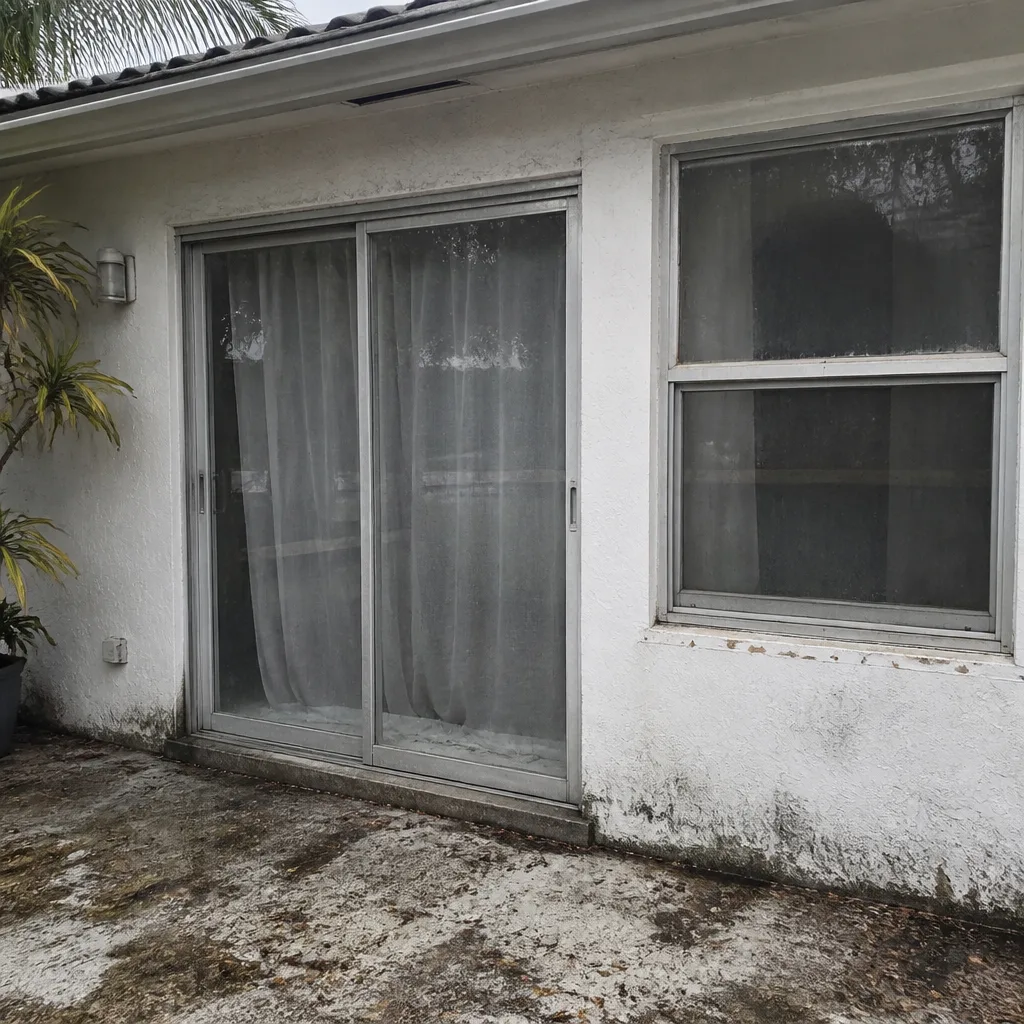 Before
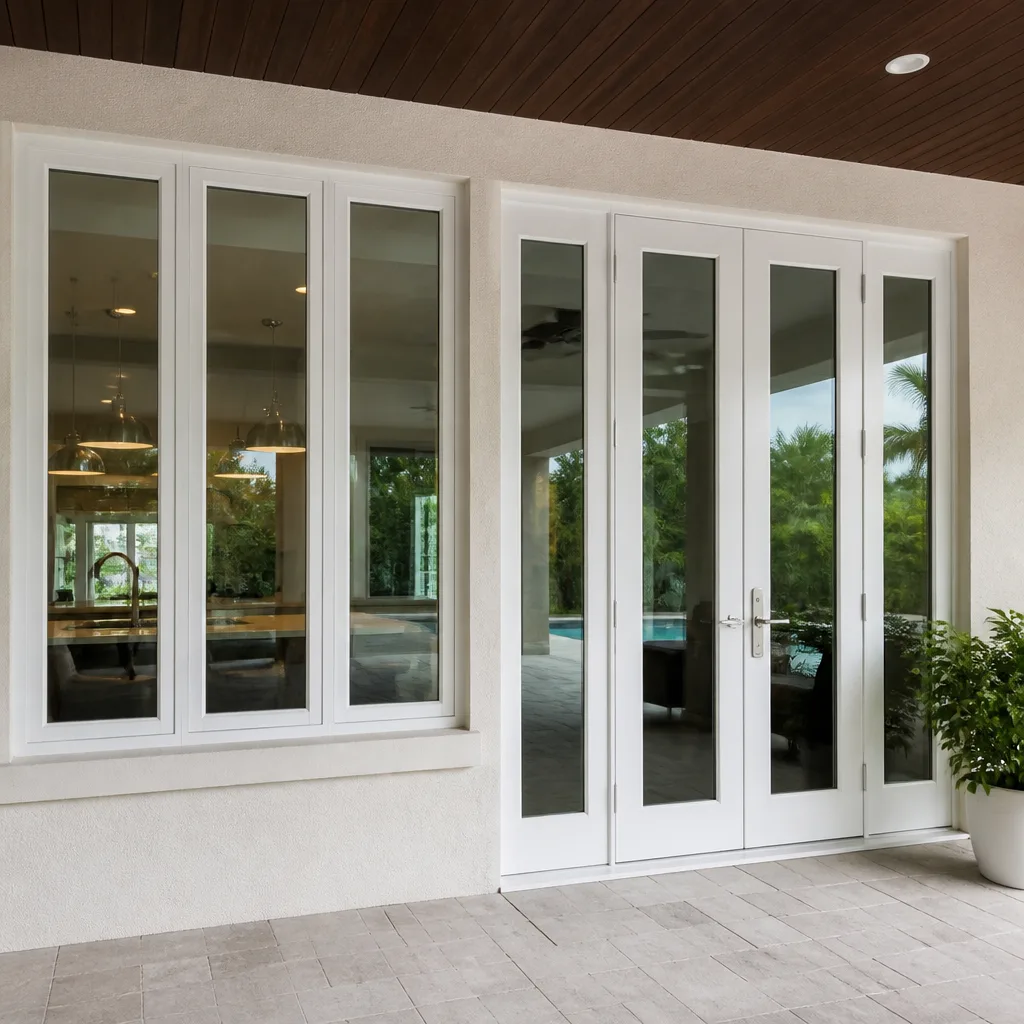 After
AfterTable of Contents
- How to Inspect the Exterior Sill-to-Wall Joint
- What Stucco Cracks Above Windows Reveal About Hidden Lintel Damage
- Reading the Sounds of Impact Glass: Normal Expansion vs. Seal Failure
- Testing Sliding Impact Door Engagement Force Before Storm Season
- The Severity Rating System: Monitor, Quote Within 90 Days, or Call This Week
- Interior Warning Signs Most Fort Lauderdale Homeowners Miss
- Common Mistakes to Avoid
- When to Call a Professional
- Frequently Asked Questions
How to Inspect the Exterior Sill-to-Wall Joint
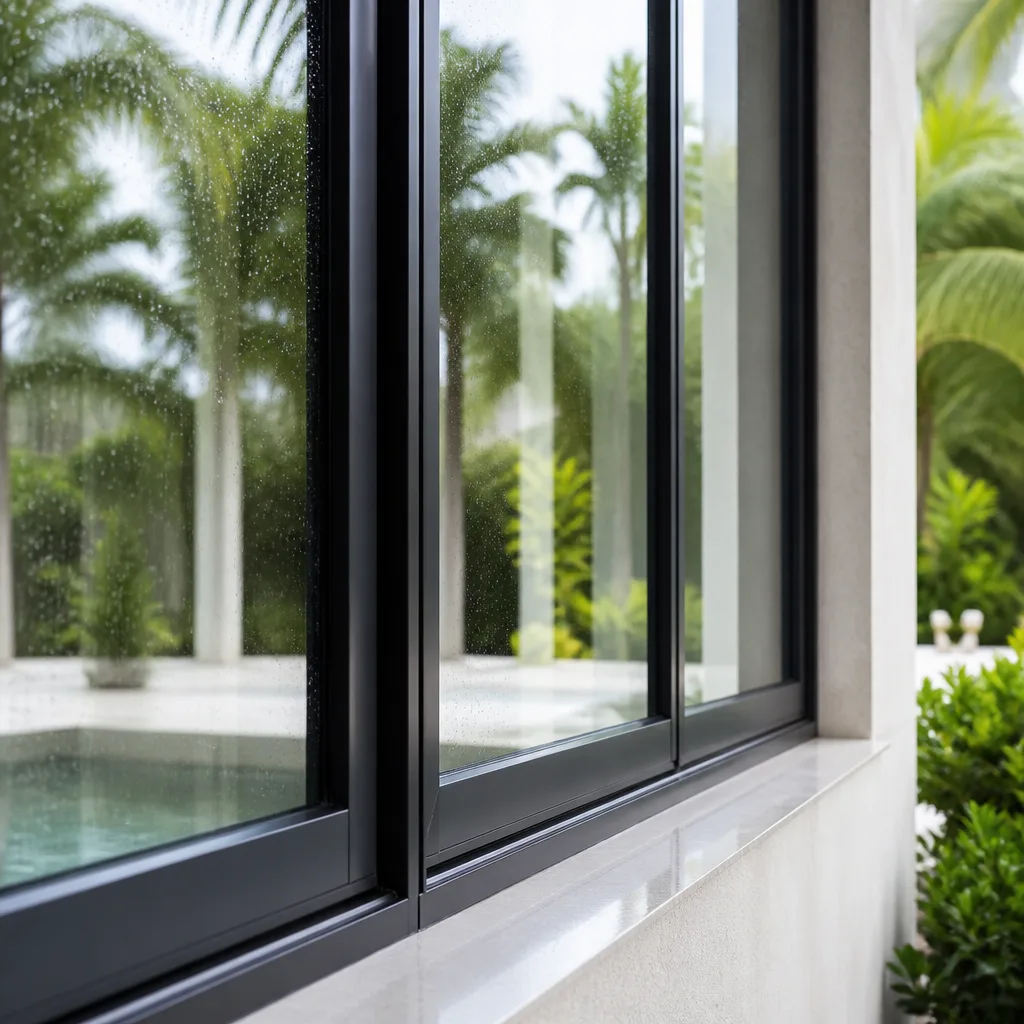
The sill-to-wall joint is where Fort Lauderdale windows fail first, and it is the easiest place to inspect without a ladder. Every opening we measure under the Haven Standard includes this check, and homeowners can replicate it in ten minutes with a flashlight and a standard business card.
Start at ground level on the exterior. Crouch so your eyes are level with the sill - this changes the angle enough to reveal gaps that disappear when viewed from above. Turn on your flashlight and hold it parallel to the wall surface, not perpendicular. Grazing light casts shadows in gaps as narrow as 1/32 inch, which is enough to admit wind-driven rain during a Fort Lauderdale summer storm.
Run the business card along the joint between the window sill and the wall. If the card slides in more than 1/8 inch, the sealant has failed or the sill pan flashing was never properly integrated. In our experience across Fort Lauderdale neighborhoods from Coral Ridge to Victoria Park, this gap is the single most common early finding on homes built between 2005 and 2015, when rapid construction often skipped proper sill pan integration.
Check these specific points:
- The sill corners. Water collects here; sealant fails first at the 90-degree turn. Look for cracking, separation, or missing material.
- The weep holes. These small slots at the bottom of the frame allow drainage. If they are clogged with paint or debris, water backs up into the track and sub-sill.
- The jamb-to-sill transition. This is where the vertical side frame meets the horizontal sill. Movement here indicates frame settlement or improper shimming during original installation.
In Fort Lauderdale’s salt-air environment, aluminum frames expand and contract more than vinyl. A gap that opens in January may close in July. The business card test works year-round because it measures the maximum gap the joint has experienced, not its current state. If the card fit in February, water entered in February.
We document this on every measured survey with a photo the customer keeps. The written quote references the same image. Haven Clause 5 - No Surprises - means the price we name accounts for what we found, not what we hope to find once disassembly begins.
What Stucco Cracks Above Windows Reveal About Hidden Lintel Damage
Hairline cracks in stucco directly above a window header are not cosmetic. They signal that the steel or concrete lintel supporting the wall above the opening has corroded, deflected, or lost bearing. In Fort Lauderdale, where coastal moisture penetrates stucco systems that were never designed for saturated exposure, this is a structural warning that precedes window failure by years.
The crack pattern matters. A single vertical crack running from the header corner upward suggests lintel end corrosion - the steel angle has rusted at its bearing point on the masonry, expanding and cracking the stucco from within. A horizontal crack following the header line indicates the lintel itself has sagged, transferring load unevenly to the frame below. A stepped crack in the stucco, roughly 45 degrees from horizontal, means the wall is settling differentially; the window frame is being twisted.
We see this pattern frequently in Fort Lauderdale’s older coastal condos, particularly in buildings from the 1970s and 1980s where original steel lintels were never galvanized to modern standards. The salt air accelerates corrosion once the stucco seal fails. In newer construction, the issue is more often improper lintel sizing for the span - a 6-foot opening with a 4-foot rated lintel - or missing expansion joints that prevent thermal movement.
The critical distinction: a crack that is static (same width for two years) versus active (widening seasonally). Static cracks may be monitored. Active cracks require structural assessment before window replacement, because installing a new frame on a failing lintel guarantees the new unit will bind, leak, or crack within 24 months.
On a recent measured survey in Rio Vista, we found a 3/16-inch active crack above a PGT impact window. The homeowner had planned to replace only the glass. Our photo record showed the lintel deflection; the written scope included lintel repair before frame installation. The alternative would have been a second replacement in three years, with no recourse.
Reading the Sounds of Impact Glass: Normal Expansion vs. Seal Failure
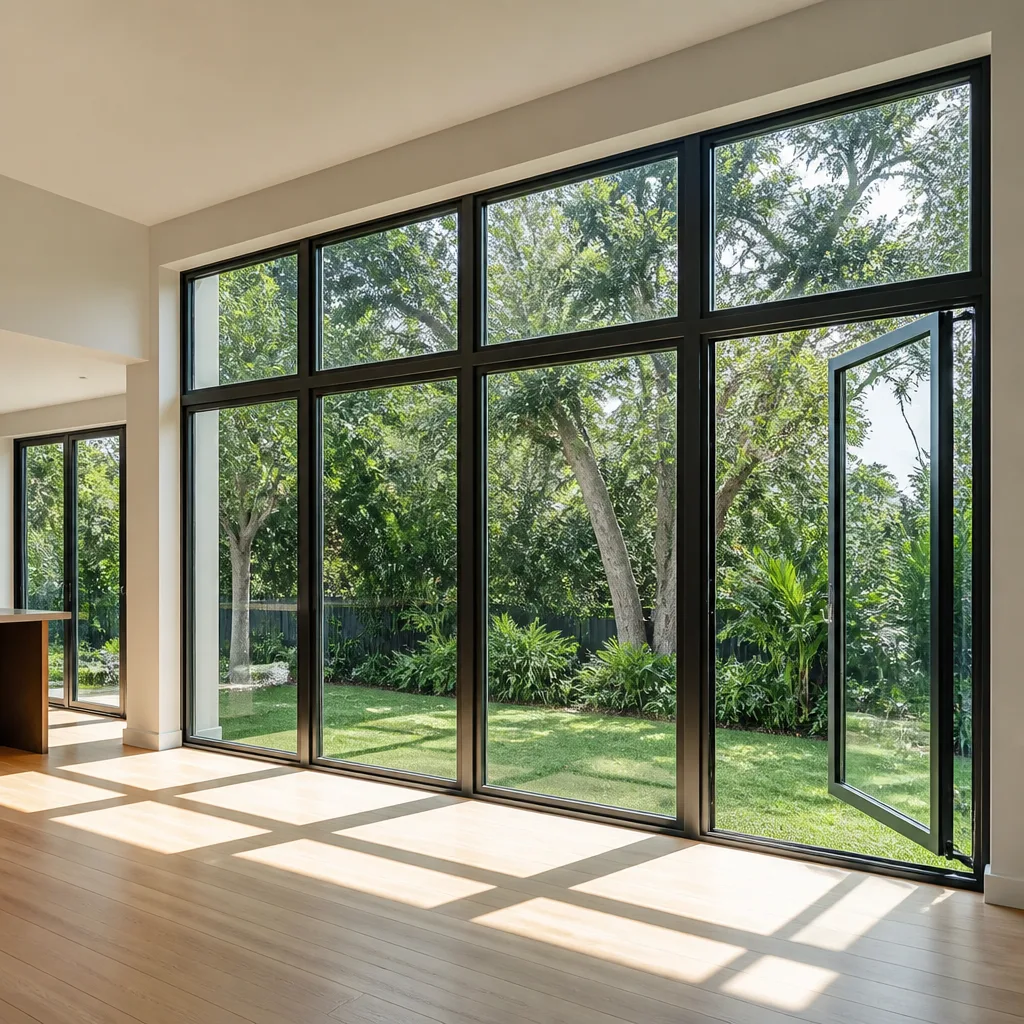
Impact glass in Fort Lauderdale makes noise. The laminated interlayer (typically PVB or SentryGlas) expands at a different rate than the glass plies, and the aluminum or vinyl frame expands at a third rate. Morning sun heating the exterior ply while the interior remains cool creates stress that releases as audible ticks, pops, or occasional sharp cracks. This is normal. It is also not the sound that signals failure.
The diagnostic sound is a rhythmic tick that correlates with temperature change but occurs at the glass edge, not the center. Normal expansion noise comes from the glass surface flexing against the interlayer. Seal failure noise comes from the edge seal of an insulated glass unit (IGU) allowing moist air to enter the cavity, where it condenses and evaporates in daily cycles. Each evaporation cycle produces a faint tick as the desiccant inside the spacer bar fractures or the sealant bead delaminates.
Here is how to distinguish them:
- Normal expansion: Occurs during rapid temperature change (first morning sun, afternoon cloud passage). Sounds like a single pop or series of pops from the glass center. No pattern day to day. Stops when temperature stabilizes.
- Seal failure tick: Occurs during slow temperature change (dawn warming, evening cooling). Rhythmic, like a cooling engine. Comes from the glass perimeter, near the spacer bar. Repeats on similar mornings regardless of weather intensity.
Once the IGU seal fails completely, the desiccant saturates and the glass fogs. But the ticking precedes visible fogging by 18 to 36 months in Fort Lauderdale’s humidity. By the time you see the milky band at the bottom of the glass, the spacer bar may have corroded and the low-E coating may have oxidized at the edge - both irreversible.
Impact-rated units from manufacturers like CGI and PGT use warm-edge spacer technology that delays this failure mode, but no spacer is permanent in a climate where interior air conditioning holds 72°F against exterior surfaces that reach 140°F in direct sun. The question is not whether seal failure will occur, but whether you detect it before the secondary damage begins.
We record glass-edge readings with a thermal camera on every measured survey. A temperature differential of more than 15°F between glass center and edge indicates spacer degradation. The photo record includes this image; the written quote specifies whether the IGU can be replaced or the entire sash must be rebuilt.
Testing Sliding Impact Door Engagement Force Before Storm Season
A sliding impact door that requires shoulder force to engage its lock is not merely inconvenient. In a storm, it is a failed pressure barrier. The Florida Building Code requires impact doors to resist positive and negative pressure cycling; a lock that does not fully engage leaves the panel free to rack, and the laminated glass free to shatter from edge loading rather than impact.
The test is simple and requires no tools. Open the door fully. Close it using only the handle, with the pressure you would use on an interior closet door. The lock should engage with a distinct click before the panel reaches the jamb. If you must push the panel into the jamb to align the lock, or if the handle lifts but the bolt does not drop into the keeper without manipulation, the track is worn or the panel has settled on degraded rollers.
Next, test the vertical deflection. With the door closed and locked, grasp the handle and lift. There should be no perceptible vertical movement. Any play indicates roller wear or track wall thinning. In Fort Lauderdale’s coastal environment, aluminum track walls erode from salt-laden condensation in the bottom rail; the track appears intact but has lost 30% of its wall thickness.
The critical measurement is engagement force. We use a fish scale on measured surveys, but homeowners can estimate: if the door requires more force to lock than a car door requires to close, the mechanism is degraded. Specifically:
- Under 5 pounds of handle pressure to engage: Normal operation. Monitor annually.
- 5 to 15 pounds: Roller wear or track contamination. Clean the track; if no improvement in 30 days, quote for roller replacement.
- Over 15 pounds or visible lifting required: Structural wear. The panel may drop from its header seal in negative pressure. Call for assessment before storm season.
We see this most often in Fort Lauderdale homes with ocean exposure, where Therma-Tru and CGI sliding systems have been in service for 10 to 15 years. The salt does not visibly corrode the stainless rollers, but it crystallizes in the bearing grease, increasing friction until the homeowner compensates with force. That compensation masks the degradation until the lock fails to engage at all.
Our written quote for sliding door service includes the engagement force we measured, the roller specification, and the track condition photo. Haven Clause 4 - Evidence on every job - means the customer sees what we saw.
The Severity Rating System: Monitor, Quote Within 90 Days, or Call This Week
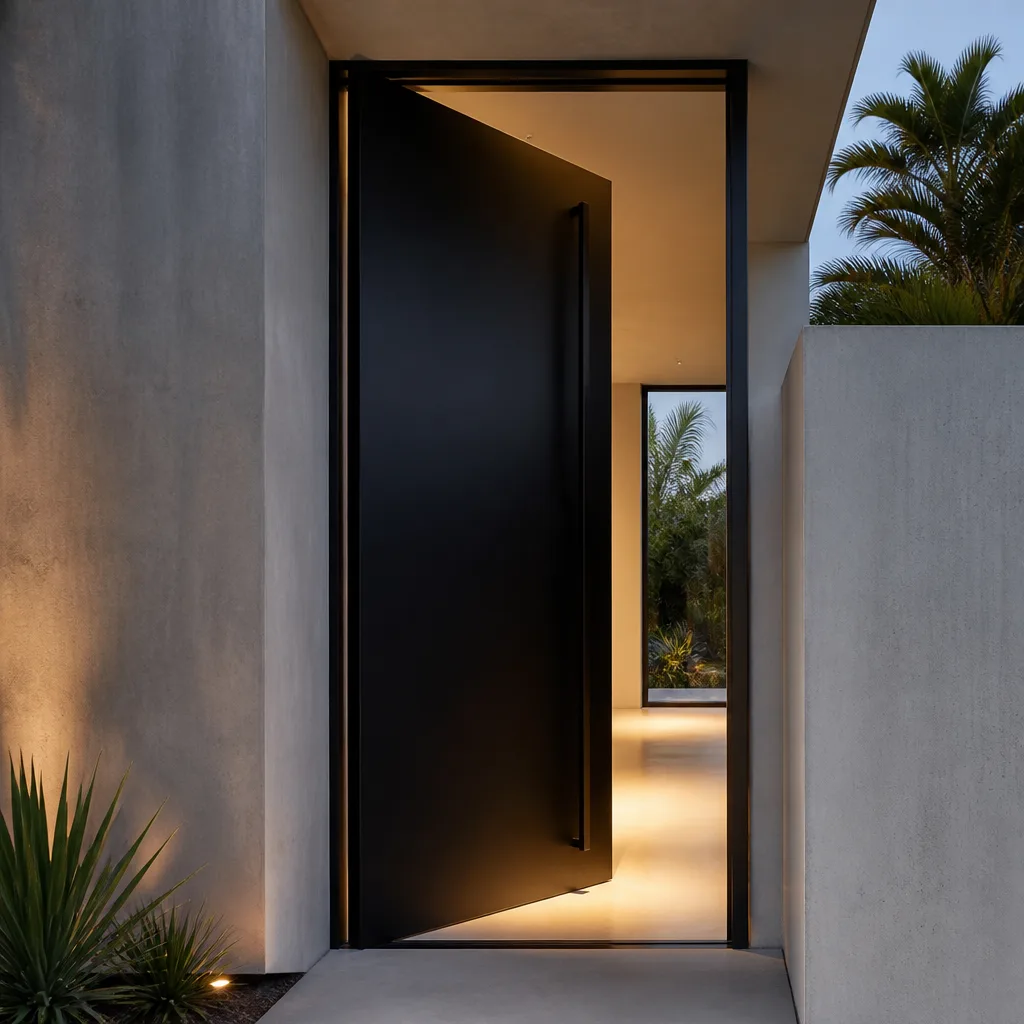
Not every warning sign demands immediate action. The wrong response wastes money; the delayed response multiplies cost. We use this three-tier system on every measured survey in Fort Lauderdale, and homeowners can apply it themselves. If you’re weighing whether to tackle issues yourself or bring in a pro, our DIY vs Professional Windows & Doors: The Fort Lauderdale Homeowner’s Decision Guide can help you decide.
Monitor Only
- Static stucco crack under 1/16 inch, no displacement, above a window with no interior signs
- Normal impact glass expansion noise, no edge ticking, no temperature differential on thermal check
- Business card fits 1/16 to 1/8 inch at sill-to-wall joint, no interior moisture, no musty odor
- Sliding door engagement under 5 pounds, smooth roller operation, no vertical play
Re-inspect seasonally. Photograph for comparison. These conditions are stable in Fort Lauderdale’s climate for multiple years.
Quote Within 90 Days
- Active stucco crack (widening over two inspections) or crack exceeding 1/8 inch
- Impact glass edge ticking with thermal differential over 10°F, no visible fogging yet
- Business card fits over 1/8 inch at sill, or visible sealant failure at corners
- Sliding door engagement 5 to 15 pounds, or roller noise during operation
- Interior humidity readings consistently above 60% near window frames (indicates air infiltration)
These conditions will progress. The 90-day window allows comparison of multiple quotes and scheduling around Fort Lauderdale’s storm season. We provide free second opinions on any written estimate; bring a competitor’s quote and we will review it against our measured survey at no charge.
Call This Week
- Visible water stain on interior drywall, ceiling, or floor below window
- Impact glass fogging in the IGU cavity, especially if the fog pattern moves (indicates liquid water, not just vapor)
- Sliding door that cannot be locked without lifting the panel, or engagement force over 15 pounds
- Stucco crack with displacement (one side higher than the other) or exposed lath
- Frame separation from wall visible from interior, with daylight or air movement
These conditions indicate active water entry, structural movement, or lock failure that compromises the opening’s storm rating. Delay risks interior damage, mold amplification in Fort Lauderdale’s humidity, or code violation if the opening is required to be impact-rated.
Our live phone coverage is available 24/7. The person who answers can schedule a measured survey, not a callback window. Haven Clause 2 - Arrive on schedule - means the appointment time is the arrival time.
Interior Warning Signs Most Fort Lauderdale Homeowners Miss
By the time interior signs appear, exterior damage is usually advanced. But some interior indicators are early if you know where to look.
Condensation pattern. Temporary fog on the interior glass surface during cold snaps is normal - it indicates the window is insulating well enough to create a dew point difference. Persistent condensation on the glass edge, where the sash meets the frame, indicates frame thermal bridging or air leakage. In Fort Lauderdale, where we cool interiors to 72°F against 85°F ambient for eight months, this pattern appears on underperforming units before any visible moisture damage occurs.
Dust trails. Fine dust accumulation on the sill directly below the sash lock points indicates air infiltration. The pressure differential between interior and exterior drives unfiltered air through gaps in the weatherstrip. In coastal Fort Lauderdale, this dust is often salt particulate; it accelerates corrosion of hardware and finishes.
Paint failure sequence. Interior paint bubbling at the window stool (the interior sill) before failing on the wall indicates moisture wicking up from the sub-sill, not roof leakage. The direction of failure matters. Roof leaks stain ceilings first; sill leaks stain stools first.
Operational changes. A double-hung window that suddenly “feels different” to open often indicates sash frame swelling from moisture absorption. Vinyl frames do not absorb moisture, but the cellular PVC inserts in some budget lines do. Wood frames in older Fort Lauderdale homes, particularly in neighborhoods like Sailboat Bend and Lauderdale Isles, swell predictably in summer and bind in their tracks.
Odor. A musty smell concentrated near a window frame, with no visible mold, indicates cavity moisture that has not yet reached the interior surface. The nose detects mold at lower concentrations than the eye. This is often the earliest sign of sill pan failure in impact windows with integrated nailing fins.
We document all interior signs with the same photo record as exterior findings. The measured survey the customer keeps includes both sets of images, dated, with the written scope referencing specific photo numbers. This prevents dispute if conditions progress between quote and installation.
Common Mistakes to Avoid

- Assuming fogged glass means the whole window must be replaced. In many Fort Lauderdale homes, only the IGU (insulated glass unit) has failed. The frame, hardware, and installation may be sound. A written quote should specify whether sash replacement or full frame replacement is required, with the evidence for each.
- Caulking over sill-to-wall gaps without inspecting the sill pan. Fresh caulk hides active water entry for one rainy season, then fails catastrophically when the concealed damage has rotted the sub-sill. We remove caulk on measured surveys to inspect what it concealed.
- Ignoring impact door lock difficulty as “just getting old.” A lock that requires increasing force is a wear indicator, like brake noise. It predicts failure, not merely inconvenience. In Fort Lauderdale’s storm code environment, a door that cannot be locked is a door that cannot be insured.
- Replacing windows without addressing stucco cracks above the header. New frames on failing lintels fail again. The measured survey must include header condition; the written scope must specify lintel repair or structural referral if needed.
- Using interior humidity as the sole diagnostic. Fort Lauderdale’s ambient humidity is 70% for much of the year. Interior readings near windows must be compared to readings at the home’s center, not to an absolute standard. A 15% differential indicates infiltration; a uniform 65% reading indicates the HVAC system, not the windows.
- Waiting for “the right season” to address monitor-only conditions. In Fort Lauderdale, there is no dry season long enough to defer maintenance without risk. Monitor-only conditions should be re-inspected in October, before the winter storm window, not deferred until spring.
When to Call a Professional
Call when a condition crosses from monitor-only to quote-within-90-days, or immediately for any call-this-week sign. The cost of a measured survey and written quote is zero; the cost of deferred water entry is the replacement of drywall, insulation, framing, and potentially mold remediation.
Specifically, call if you cannot determine which severity tier applies, if multiple windows show the same pattern (indicating systemic installation failure), or if your home is in a Fort Lauderdale flood zone where water entry has insurance implications beyond structural repair. For help choosing the right company, read How to Hire a Windows & Doors Contractor in Fort Lauderdale: A Step-by-Step Guide.
Sightline Windows & Doors Fort Lauderdale offers free estimates in Fort Lauderdale. Every engagement begins with a measured survey the customer keeps, and the written quote cannot differ from that document. Call (754) 666-7478 to schedule. Calls are answered by a live person, 24/7.
Frequently Asked Questions
IGU replacement in an existing impact-rated sash typically runs $340 to $680 per opening, depending on glass size, interlayer specification, and whether the sash frame must be disassembled. Full frame replacement, including removal of the existing nail fin and integration with the wall weather barrier, ranges from $1,200 to $2,400 for standard sizes. Custom geometric units or oversized openings increase from there. Call (754) 666-7478 for an exact quote on your specific opening - estimates are free, and we provide a free second opinion on any competitor’s written estimate.
No. Haven Clause 1 requires that the measurement and the quote be the same document. The price we write before any work starts is the price on the final invoice. If concealed damage is found during installation - a rotted sub-sill behind intact interior trim, for example - we document it, stop work, and present a revised scope with a new written price before proceeding. No surprises means no change orders signed under pressure with demolition already underway.
Yes. Window and door replacement in Fort Lauderdale requires a building permit when the opening size changes, when impact-rated products are installed in the wind-borne debris region, or when the work affects the structural header. We pull permits, schedule inspections, and provide the passed inspection documentation with the final photo record. The customer receives a copy of every permit and inspection card. Browse more guides & resources on our blog.
A standard single opening, with no structural complications, requires four to six hours of installation time. A whole-home replacement of 15 to 20 openings in a Fort Lauderdale single-family home typically spans three to five working days, depending on exterior access, stucco repair scope, and inspection scheduling. We specify the timeline in the written scope, not as a verbal estimate. Haven Clause 2 - Arrive on schedule - applies to the completion date as well as the start date.
PGT and CGI are both Miami-Dade County approved for the High-Velocity Hurricane Zone that includes Fort Lauderdale. PGT tends toward broader product breadth - more custom shapes, larger maximum sizes, and integrated smart-lock options. CGI emphasizes heavier extrusion walls and stainless steel hardware, which we specify for oceanfront exposure where salt corrosion is maximized. Neither is universally superior; the measured survey determines which manufacturer’s performance tier matches the opening’s exposure, size, and the customer’s stated priorities for energy performance versus impact rating. We carry both lines, plus CWS, ES Windows, ECO Window Systems, Mr-Glass, Therma-Tru, and ViewLux, specified by what the opening requires.
Window warranties cover three distinct components: the glass (typically 10 to 20 years against seal failure), the frame and hardware (often lifetime for original owner), and the installation (varies by contractor, from one year to lifetime). For Fort Lauderdale homeowners, the critical document is the original invoice showing the product serial numbers and the installer’s scope. Without serial numbers, manufacturers cannot verify coverage. We document serial numbers on every job; if your original installer did not, the warranty may be unenforceable regardless of its stated term. Call (754) 666-7478 if you need help determining what coverage remains - we review competitor documentation at no charge as part of our free second opinion.
The Bottom Line
The windows and doors in your Fort Lauderdale home speak before they fail. The language is structural: gaps at the sill, cracks above the header, ticks at the glass edge, resistance at the lock. Learn to read these signs early, classify them accurately, and respond with appropriate urgency. The cost of a measured survey and written quote is known; the cost of waiting for visible interior damage is not. Document what you find, compare it seasonally, and act before the repair multiplies.
Window Installation in Fort Lauderdale and Window Replacement in Fort Lauderdale are documented under the same Haven Standard that governs every opening we have measured since 2012. Door Installation in Fort Lauderdale follows identical protocols for impact-rated and standard products alike.
Call (754) 666-7478 to schedule your free estimate. A live person answers, 24/7. The measured survey is yours to keep. The written price is the final price. Every job leaves a documented photo record. And every installation is covered by the 365-Day Done Right Promise - if it’s not done right, we make it right, written into the Haven Standard, not offered as a courtesy.
Written by Sonia Raman, Owner at Sightline Windows & Doors Fort Lauderdale, serving Fort Lauderdale since 2012.
Six Reasons Homeowners Choose Sightline Windows & Doors Fort Lauderdale

Impact systems engineered to design pressures up to +/-100, matched to your wind zone - your openings hold when the storm arrives.
Low-E insulated impact glass from our manufacturer lines commonly cuts monthly cooling bills 20-30%.
Laminated impact glass shuts out up to 40% of outside noise - traffic, neighbors, weather.
Monitoring services run $30-90 a month. Laminated impact glass resists forced entry around the clock, with no subscription.
Florida homeowners average around 25% savings on the windstorm portion of their policy after protecting every opening - some homes qualify for more.
A full impact package upgrades curb appeal, buyer confidence and appraised value in one project.
Other Sightline Windows & Doors Fort Lauderdale Services
What Neighbors Say About Sightline Windows & Doors Fort Lauderdale